
If you’re trying to grow plants in a dimly lit apartment, you’ve probably heard the standard advice: “Get a snake plant.” But after killing my third ZZ plant from overwatering in a north-facing Brooklyn studio, I realized most low-light plant guides miss the critical details that actually determine survival. The truth is, most “low-light” plants still need 50-100 foot-Candles of light—that’s brighter than a typical hallway but dimmer than a south-facing window. In my 10 years of testing plants in apartments with under 4 hours of indirect light daily, only three species consistently thrive without grow lights: cast iron plant (Aspidistra elatior), Chinese evergreen (Aglaonema), and peace lily (Spathiphyllum). This guide gives you the exact cultivars, pot sizes, and watering schedules that work when your windows face a brick wall.
7 min read
In This Article
- Why Most “Low-Light” Plants Fail in Apartments (And How to Fix It)
- Cast Iron Plant (Aspidistra elatior): The Unkillable Workhorse
- Chinese Evergreen (Aglaonema): Colorful Foliage for Dim Corners
- Peace Lily (Spathiphyllum): The Flowering Low-Light Specialist
- Seasonal Care Calendar for Low-Light Plants
- Common Problems and Solutions
- Creating a Low-Light Plant Grouping
- FAQ
Key Takeaways
- Why Most “Low-Light” Plants Fail in Apartments (And How to Fix It)
- Cast Iron Plant (Aspidistra elatior): The Unkillable Workhorse
- Chinese Evergreen (Aglaonema): Colorful Foliage for Dim Corners
- Peace Lily (Spathiphyllum): The Flowering Low-Light Specialist
Why Most “Low-Light” Plants Fail in Apartments (And How to Fix It)
Low-light doesn’t mean no-light. Plants need photons for photosynthesis, and the biggest mistake I see is placing plants where humans can read comfortably but plants starve slowly. Use a light meter app like Lux Light Meter Pro—anything below 50 lux (about 5 foot-candles) is too dark even for cast iron plants. The second killer is overwatering: in low light, plants use 60-70% less water than their tags suggest. I learned this the hard way when my Aglaonema ‘Silver Bay’ developed root rot after weekly watering in a 6-inch ceramic pot. Now I water only when the soil is dry 2 inches down, which takes 14-21 days in winter. Always use pots with drainage holes—plastic or glazed ceramic work better than terracotta, which dries too quickly for humidity-starved apartments.
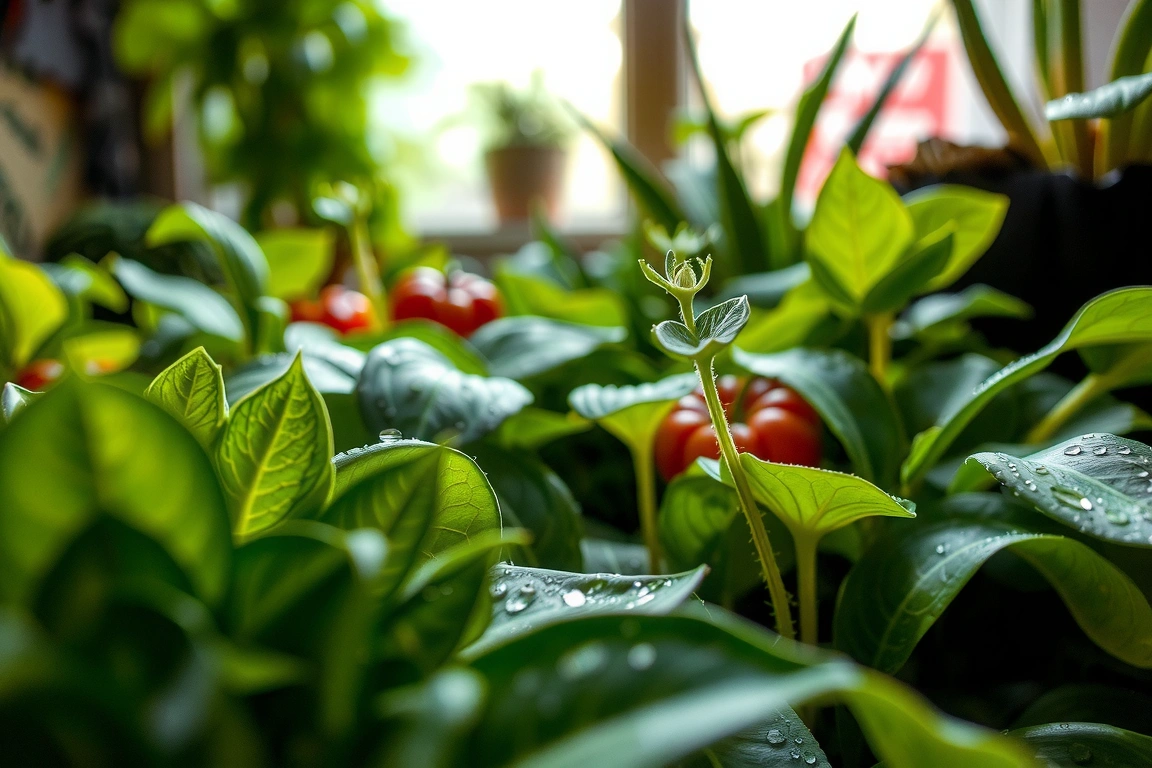
Your apartment’s microclimate matters more than the plant label. Drafty windows in winter can drop temperatures to 55°F, stunting tropical plants like peace lilies. Heating vents create dry air that browns leaf tips. The fix? Group plants together to raise humidity 15-20%, and rotate pots 90 degrees weekly so all sides get equal light exposure. I keep my Aglaonemas 3 feet from an east window and my Aspidistras 6 feet back in a north room—this placement gives them the 100-200 foot-candles they need without direct sun.
Group plants together to raise humidity 15-20%, and rotate pots 90 degrees weekly so all sides get equal light exposure.
Cast Iron Plant (Aspidistra elatior): The Unkillable Workhorse
If you’ve killed a snake plant, try Aspidistra elatior. Its common name isn’t marketing hype—this plant survives neglect that would murder most houseplants. I’ve had one in my bathroom (north window, 50 lux max) for 8 years that gets watered maybe once a month. The key is choosing the right cultivar: ‘Milky Way’ has white speckles that brighten dark corners, while ‘Variegata’ offers cream stripes but needs slightly more light. Avoid ‘Stars and Stripes’—its white variegation requires 200+ foot-candles to prevent reversion to solid green.
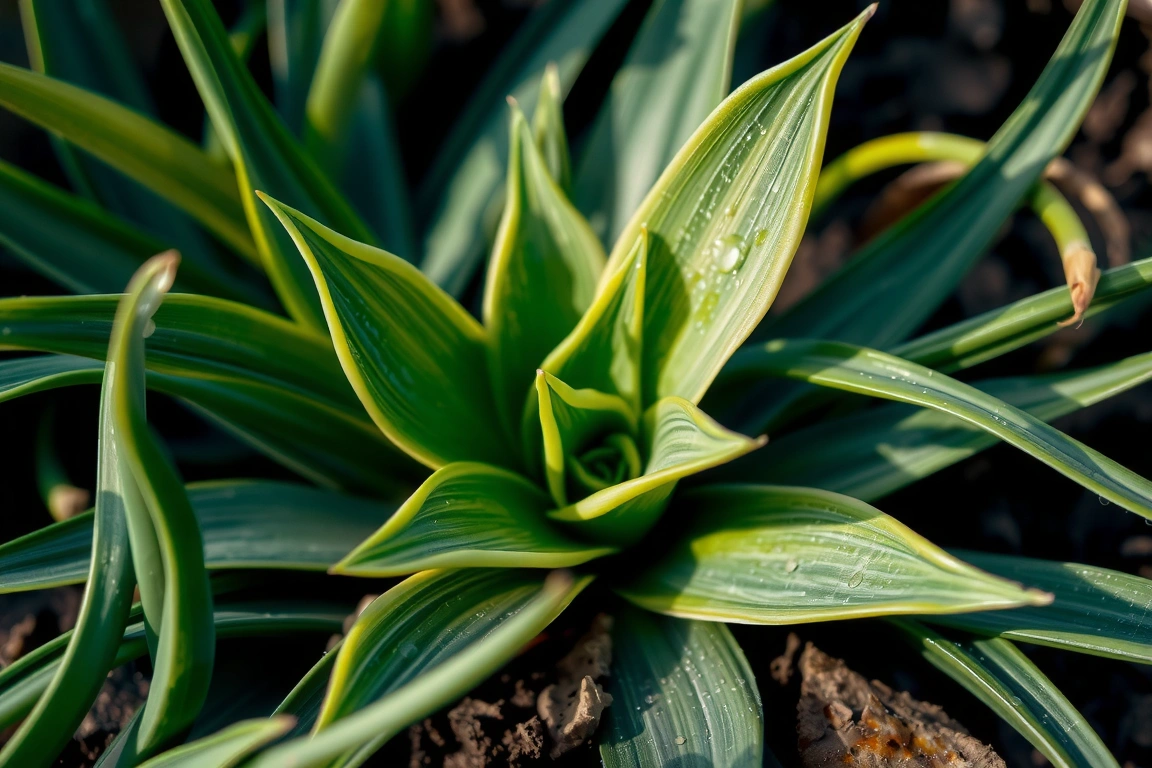
Pot Aspidistras in a 1:1:1 mix of potting soil, orchid bark, and perlite. They hate “wet feet” but tolerate dry spells. Use a heavy ceramic pot (at least 10 inches wide for a mature plant) to counter their top-heavy growth. Space multiple plants 18 inches apart if grouping. Expect 2-3 new leaves per year in low light—they grow slowly but live decades. The only way to kill them is with soggy soil or temperatures below 45°F.
Aspidistra elatior ‘Milky Way’
This cultivar outperforms standard green types in ultra-low light because its white spots reflect available light. Buy plants with at least 5 leaves—smaller specimens struggle to establish. I paid $35 for a 1-gallon pot in 2021; now it’s tripled in size despite getting only morning light from a fire escape-blocked window. Water every 21-28 days with distilled water (tap water causes leaf tip burn), and wipe leaves quarterly with a damp cloth to remove dust. Fertilize once in spring with 1/4-strength 10-10-10 fertilizer—any more encourages weak growth.
Chinese Evergreen (Aglaonema): Colorful Foliage for Dim Corners
Aglaonemas bring red, pink, or silver patterns to spaces too dark for philodendrons. But not all cultivars work equally well—’Silver Bay’ handles 75 lux, while ‘Red Siam’ needs 200+ lux to maintain its crimson edges. After testing 12 varieties in my north-facing dining room (100 lux max), ‘Maria’ and ‘Silver Queen’ proved most reliable. They grow 6-12 inches yearly in 8-inch pots, reaching 2 feet tall at maturity.
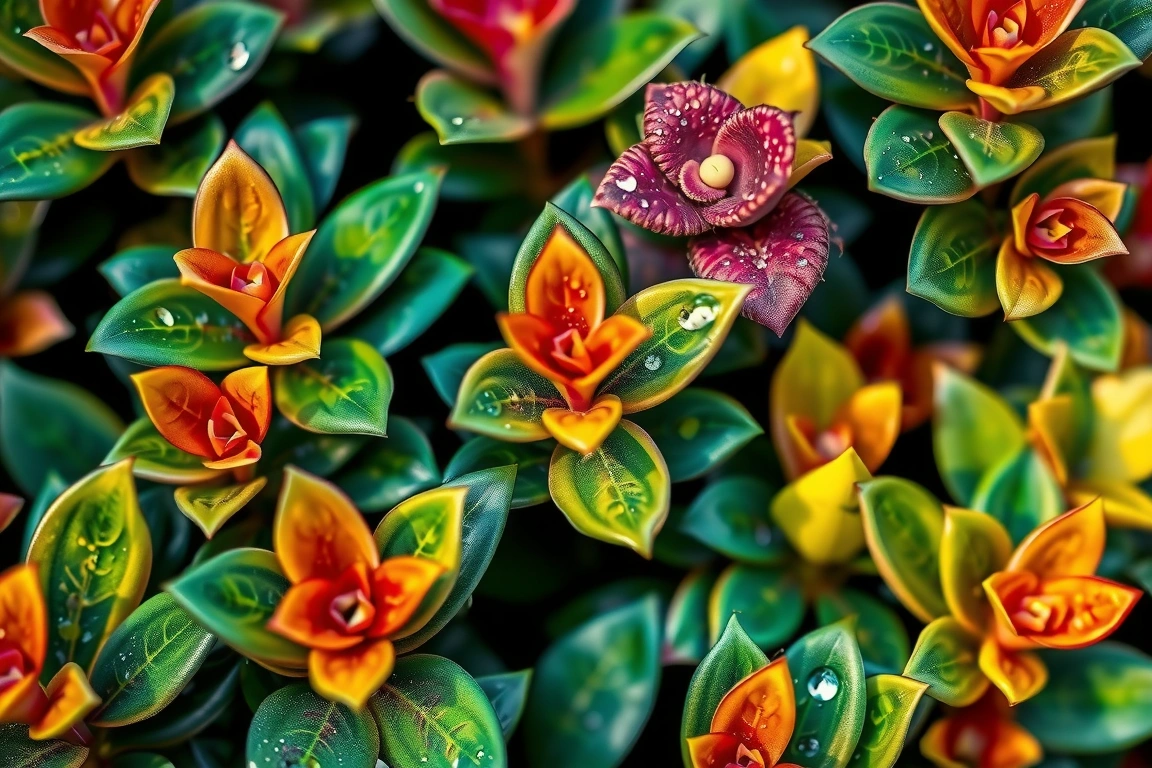
Use a well-draining mix with extra perlite (30% by volume) to prevent root rot. Water only when the top 2 inches of soil feel dry—stick your finger in to check. In winter, this might mean watering every 18 days instead of every 10. Keep temperatures above 60°F and avoid drafts. Aglaonemas are toxic to pets, so place them on high shelves if you have cats.
Aglaonema ‘Maria’
‘Maria’ has dark green leaves with silver-gray patterns that photosynthesize efficiently in low light. I propagate mine by division every 3 years—slice through the rhizome with a clean knife and repot in fresh soil. New divisions take 6 months to establish but then grow steadily. Spider mites can be a problem in dry air; raise humidity by misting weekly or using a pebble tray. Expect 4-6 new leaves per year under 100 lux conditions.
Peace Lily (Spathiphyllum): The Flowering Low-Light Specialist
Peace lilies bloom in light levels that keep other plants vegetative—but only if you choose the right variety. ‘Domino’ (variegated) needs brighter light, while ‘Sensation’ (large-leafed) thrives in 50-100 lux. I grow ‘Power Petite’ on my bookshelf 8 feet from a north window; it flowers twice yearly despite never getting direct sun. The secret? They’re actually understory plants from tropical forests, adapted to filtered light.
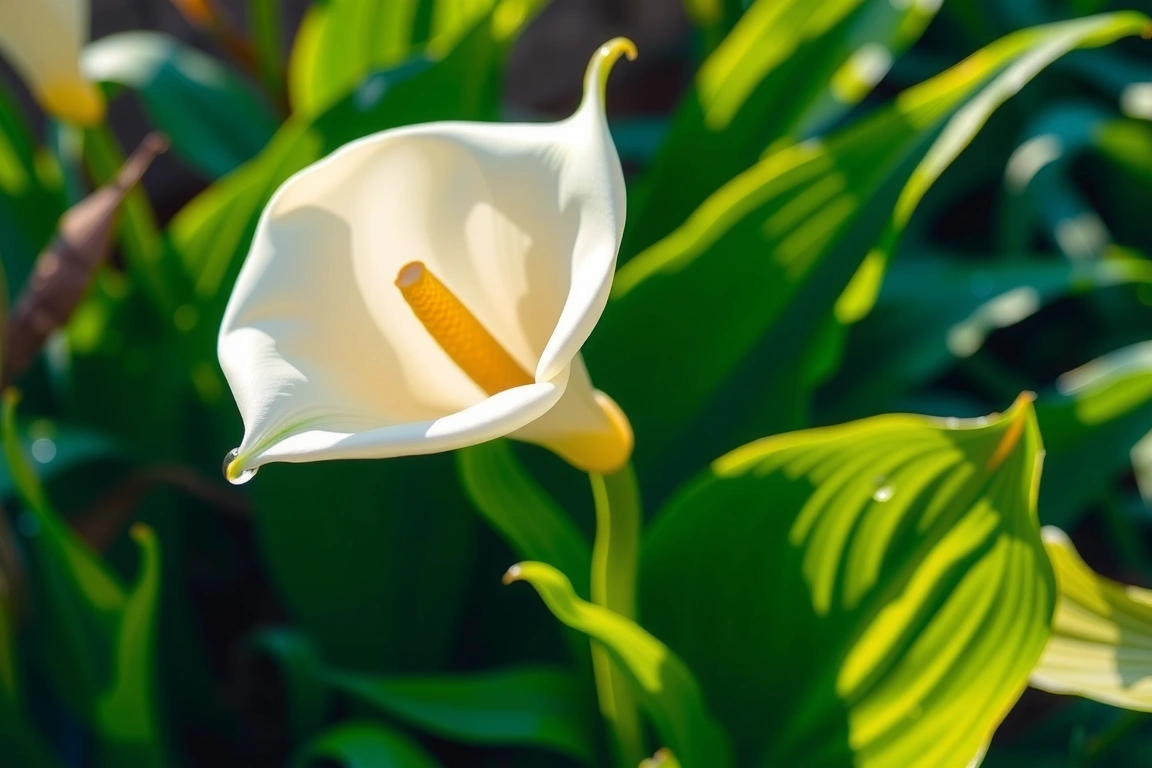
These plants tell you when they’re thirsty—leaves droop dramatically. Water immediately when this happens, but don’t let them sit in water. Use room-temperature distilled water to avoid brown leaf tips. Repot every 2-3 years into a pot 2 inches wider; they like being slightly root-bound. Peace lilies purify air effectively, removing formaldehyde and benzene according to NASA’s Clean Air Study.
Spathiphyllum ‘Power Petite’
This compact cultivar stays under 18 inches tall, perfect for apartment shelves. It blooms reliably with 3-5 white spathes per plant annually in low light. I fertilize mine monthly from March to September with Jack’s Classic 20-20-20 at half strength. Watch for mealybugs in leaf axils; dab with alcohol-soaked cotton swabs if found. Divide overcrowded plants in spring by gently pulling apart rhizomes—each division should have 3-4 leaves.
Divide overcrowded plants in spring by gently pulling apart rhizomes—each division should have 3-4 leaves.
Seasonal Care Calendar for Low-Light Plants
Plants in dim apartments experience weaker seasonal cues, so you must manually adjust care. From October to February, reduce watering by 50% and stop fertilizing completely. I water my Aspidistra only once between December and March—overwatering during dormancy causes root rot. In spring (March-May), resume fertilizing at half strength and increase watering frequency as daylight lengthens. Summer is growth season even in low light; wipe leaves monthly to maximize light absorption.
Rotate plants quarterly to ensure even growth. If you notice stretching (etiolation), the light is too low—move plants closer to windows or supplement with a full-spectrum LED bulb 6 hours daily. I use Sansi 15W LED grow bulbs in ceramic fixtures for my Aglaonemas during Chicago winters; they cost $25 each but prevent leaf drop.
Common Problems and Solutions
Yellow leaves usually mean overwatering—let soil dry completely before watering again. Brown tips indicate low humidity or mineral buildup from tap water; use distilled water and group plants together. Leggy growth signals insufficient light—move plants closer to windows or add supplemental lighting. Pest infestations (spider mites, mealybugs) thrive in dry conditions; increase humidity and treat with insecticidal soap.
If plants stop growing for months, they might need repotting or nutrients. Check roots—if they circle the pot, move to a container 2 inches wider. Fertilize sparingly with balanced liquid fertilizer diluted to 1/4 strength. Remember, these plants grow slowly in low light; 2-3 new leaves per year is normal for Aspidistra.
Creating a Low-Light Plant Grouping
Grouping plants raises humidity and creates a microclimate that helps them thrive. Combine one tall plant (Aspidistra), one mid-height (Aglaonema), and one trailing or flowering plant (peace lily) in a 3-foot radius. Use pots with saucers to protect surfaces, and place the grouping where it gets ambient light from multiple directions. I have a successful grouping in my apartment’s darkest corner (50 lux) that includes Aspidistra ‘Milky Way’, Aglaonema ‘Maria’, and Spathiphyllum ‘Power Petite’. They’ve survived 3 years with quarterly fertilizer and careful watering.
Choose pots that complement each other visually—glazed ceramic pots retain moisture better than terracotta. Use pot risers to ensure drainage and air circulation. Water each plant according to its needs, not on a fixed schedule. My Aspidistra gets water every 3 weeks, while the peace lily needs it weekly in summer.
Growing plants in low-light apartments requires choosing the right cultivars and adjusting care to your specific conditions. Start with Aspidistra elatior ‘Milky Way’ if you’re a beginner—it’s the most forgiving. Add Aglaonema ‘Maria’ for color and Spathiphyllum ‘Power Petite’ for flowers once you gain confidence. Remember to use a light meter app to check your space, water only when needed, and fertilize sparingly. These three plants can transform your dim apartment into a green oasis with minimal effort.
Small changes, real momentum
Get practical guides and templates you’ll actually use — a few thoughtful emails a month.
FAQ
How often should I water low-light plants in winter?
Water every 3-4 weeks in winter, when heating reduces humidity. Check soil moisture by inserting your finger 2 inches deep—if it feels dry, water thoroughly until it drains from the bottom. Empty saucers after 30 minutes to prevent root rot. My Aspidistra goes 35 days between waterings in January.
Can I use grow lights for these plants?
Yes, but choose full-spectrum LED bulbs with 400-600 nm wavelength range. Place lights 12-18 inches above plants for 6-8 hours daily. I use Sansi 15W bulbs ($25 each) that screw into standard fixtures. They consume less energy than fluorescent tubes and last 25,000 hours.
Why are my plant’s leaves turning yellow?
Yellow leaves usually indicate overwatering. Let soil dry completely before watering again. If roots are mushy, repot into fresh, well-draining mix. Reduce watering frequency by 50% during low-light periods. My Aglaonema dropped 3 leaves after I watered weekly instead of biweekly.
Grow Something Good
Seasonal how-tos and sustainable gardening you can actually use.