
As we head into 2026, many of us are itching to get our hands dirty and start planting our home gardens. But before you begin, let’s face it: seasonal planting can be a minefield of mistakes that can cost you yield, waste your time, and even kill your plants. I’ve been there, done that, and learned the hard way. In my own garden, I’ve made the same mistakes you’re about to make – until I figured out the right way to do things. Here are the top 5 seasonal planting mistakes to avoid for a thriving home garden this year.
4 min read
In This Article
Key Takeaways
- Mistake #1: Ignoring Your USDA Hardiness Zone
- Mistake #2: Not Preparing Your Soil
- Mistake #3: Incorrect Spacing and Depth
- Mistake #4: Not Using Companion Planting
Mistake #1: Ignoring Your USDA Hardiness Zone
Not understanding your USDA hardiness zone is like trying to build a house without a foundation. It’s a recipe for disaster. For instance, if you’re in zone 7 like I am, you’ll want to avoid planting frost-sensitive crops like Cherokee Purple tomatoes before the last frost date – typically around mid-April here. Plant them too early, and you’ll lose them to frost. Check your zone, and plan accordingly. You can find your zone on the USDA’s Plant Hardiness Zone Map.

For example, in zone 7, we can start sowing warm-season crops like okra and southern peas around late May. In contrast, cooler zones (3-5) should be planting cool-season crops like kale and Brussels sprouts in early spring or late summer for a fall harvest. Knowing your zone helps you time your planting correctly.
- Check your USDA hardiness zone
- Plan your planting schedule around your zone’s frost dates
- Choose cultivars bred for your zone’s specific climate conditions
Knowing your zone helps you time your planting correctly.
Mistake #2: Not Preparing Your Soil
Soil preparation is the unsung hero of gardening. I’ve seen too many gardeners skip this step, only to be disappointed by poor yields. To avoid this, test your soil type and pH level. Most vegetables prefer a slightly acidic to neutral soil pH (around 6.0-7.0). If your soil is too acidic or alkaline, adjust it with organic amendments like compost or well-rotted manure.
For example, when I added 2 inches of compost to my soil last season, I saw a significant increase in my tomato yield – from 10 lbs per plant to 15 lbs. The same goes for other crops: spacing, depth, and soil quality all play a crucial role in their success.
- Test your soil type and pH level
- Add organic amendments as needed
- Till or no-till your soil based on its type and condition
Mistake #3: Incorrect Spacing and Depth
Incorrect spacing is a common mistake that can lead to reduced yields and increased disease susceptibility. For instance, planting ‘Better Boy’ tomatoes too close together (less than 18 inches apart) can cause them to become diseased and unproductive. On the other hand, spacing them correctly allows for good air circulation and sunlight penetration.
When it comes to depth, planting seeds or seedlings too deeply can be detrimental. For example, when direct-sowing carrots, sow them about ¼ inch deep and ¼ inch apart. Planting them too deeply can cause them to become deformed.
- Check the seed package or cultivar information for specific spacing and depth requirements
- Use a spacing guide or companion planting chart to optimize your garden layout
- Consider using intensive planting methods like square foot gardening
Planting them too deeply can cause them to become deformed.
Mistake #4: Not Using Companion Planting
Companion planting is a powerful technique that can improve growth, reduce pests, and increase yields. For example, planting marigolds with tomatoes can deter nematodes, while basil repels aphids and improves flavor. I’ve seen this firsthand in my own garden, where marigolds and tomatoes have become inseparable companions.
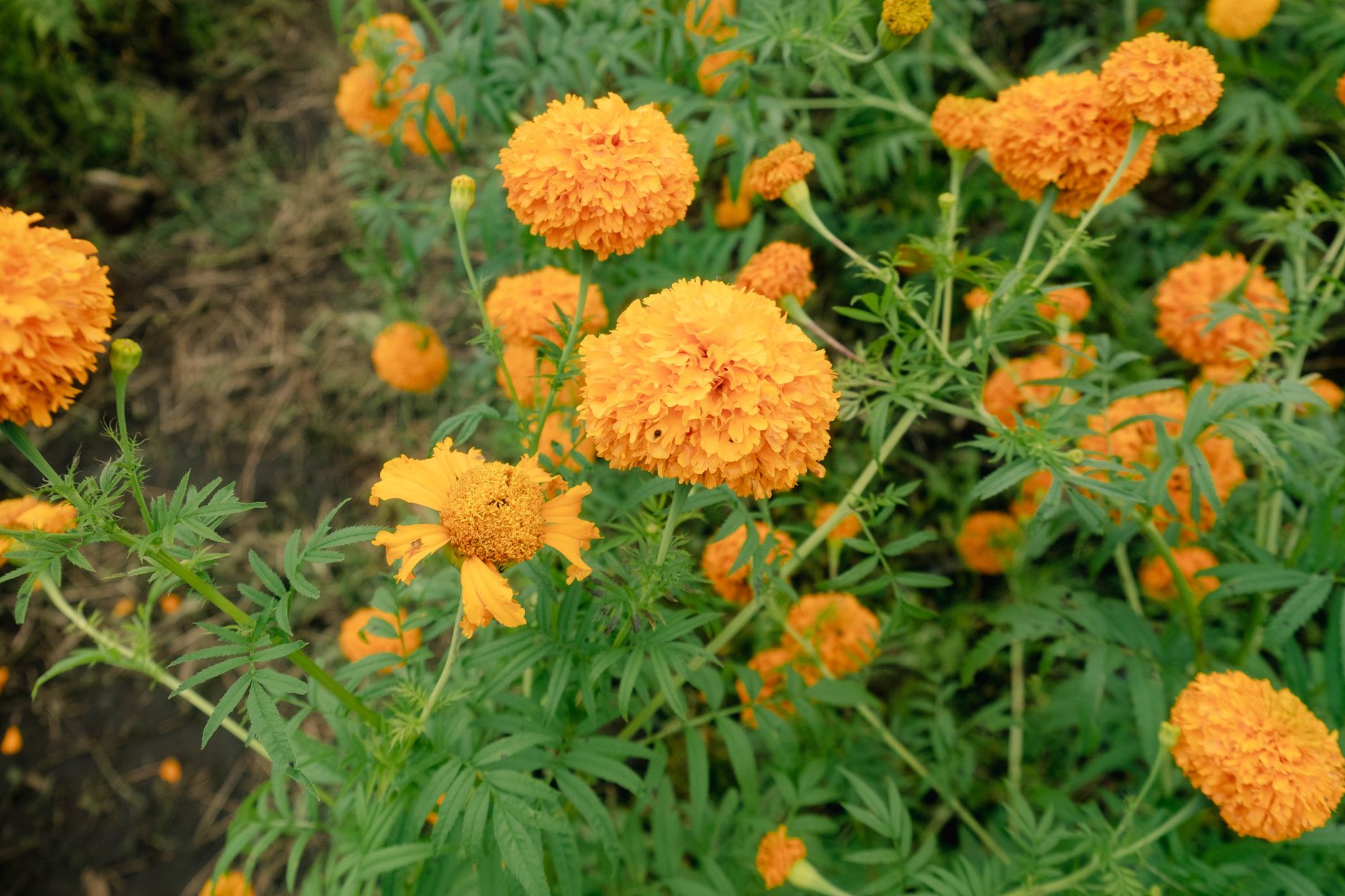
Some other beneficial companion planting combinations include:
- Beans and corn (the “Three Sisters” method)
- Radishes and cucumbers (radishes repel cucumber beetles)
- Chives and roses (chives improve rose health and repel aphids)
By incorporating companion planting into your garden design, you can create a more balanced and resilient ecosystem.
Mistake #5: Not Planning for Seasonal Succession
Seasonal succession planting involves planning your garden to have continuous harvests throughout the growing season. This means planting multiple crops in succession, rather than all at once. For example, in my zone 7 garden, I plant cool-season crops like lettuce and spinach in early spring, followed by warm-season crops like tomatoes and okra in late spring.
To plan for seasonal succession, create a planting calendar that takes into account the specific growing requirements and maturation dates of each crop. This will help you avoid gaps in production and ensure a continuous harvest.
- Create a planting calendar specific to your zone and climate
- Choose a mix of cool-season and warm-season crops
- Plan for succession plantings every 1-2 weeks
Putting It All Together
By avoiding these 5 common seasonal planting mistakes, you’ll be well on your way to a thriving home garden in 2026. To recap, the 3 most important takeaways are:
- Understand your USDA hardiness zone and plan accordingly
- Prepare your soil through testing and amending
- Plan for seasonal succession to ensure continuous harvests
For a more detailed guide to creating a thriving home garden, I recommend checking out our article on food forest design.
Small changes, real momentum
Get practical guides and templates you’ll actually use — a few thoughtful emails a month.
Frequently Asked Questions
Q: What’s the best way to determine my USDA hardiness zone?
You can find your USDA hardiness zone by visiting the USDA’s Plant Hardiness Zone Map website and entering your zip code. This will give you a more accurate zone determination than simply looking at a map.
Q: How often should I test my soil?
It’s a good idea to test your soil at least once a year, ideally before the growing season begins. You can purchase a soil testing kit or send a sample to a lab for analysis.
Q: Can I use companion planting with container gardens?
Yes, companion planting can be used with container gardens. In fact, containers can be a great way to isolate companion plants and prevent unwanted spread. Just be sure to choose companion plants that have similar growing requirements.
🌱 Editor’s Pick
Editor’s Pick: A classic companion planting book. Essential for mastering seasonal pairings and avoiding costly planting errors year-round.
Grow Something Good
Seasonal how-tos and sustainable gardening you can actually use.