
If you’re staring at a parched patch of dirt this August, thinking your only option is to wait for spring rains, I’m here to tell you you’re missing the single best planting window of the year. The secret to a resilient, low-water garden isn’t found in expensive nursery pots; it’s locked inside the seeds of plants that evolved to thrive in your exact climate. Starting native perennials from seed in fall 2026 isn’t just a gardening task—it’s a strategic move that leverages natural cold stratification, giving your plants a massive head start on developing the deep, drought-defying root systems that no spring transplant can match. I learned this the hard way after watching three consecutive years of expensive, container-grown natives wilt in my Zone 7b summer, while the few I’d sown from seed the previous October stood firm. This guide is for the gardener ready to work *with* the seasons, not against them, to build a landscape that practically waters itself.
10 min read
In This Article
- Why Fall 2026 is Your Strategic Planting Window
- 1. Purple Coneflower (Echinacea purpurea) – The Pollinator Powerhouse
- 2. Butterfly Weed (Asclepias tuberosa) – The Monarch’s Fuel Stop
- 3. Blue Wild Indigo (Baptisia australis) – The Nitrogen-Fixing Shrub Substitute
- 4. Prairie Blazing Star (Liatris pycnostachya) – The Vertical Accent
- 5. Little Bluestem (Schizachyrium scoparium) – The Four-Season Grass
- The Step-by-Step Fall Sowing Process
- Your Month-by-Month Fall 2026 Action Calendar
- Companion Planting for a Resilient Native Guild
- Yield Expectations and Long-Term Vision
Key Takeaways
- Why Fall 2026 is Your Strategic Planting Window
- 1. Purple Coneflower (Echinacea purpurea) – The Pollinator Powerhouse
- 2. Butterfly Weed (Asclepias tuberosa) – The Monarch’s Fuel Stop
- 3. Blue Wild Indigo (Baptisia australis) – The Nitrogen-Fixing Shrub Substitute
Why Fall 2026 is Your Strategic Planting Window
Most gardening advice centers on spring, but for establishing deep-rooted, drought-tolerant natives, that’s often too late. Fall sowing aligns with these plants’ natural reproductive cycle. Seeds dropped in autumn experience winter’s freeze-thaw cycles—a process called cold stratification—which breaks down seed coats and triggers biochemical signals for spring germination. This results in seedlings that emerge exactly when nature intends, with weeks of cool, moist spring weather to grow roots before summer’s heat arrives. In my Zone 7b garden, fall-sown Purple Coneflower seedlings have taproots over 12 inches deep by June, while spring-sown ones struggle to reach 6 inches. The 2026 season is particularly promising for those in the Western and Southwestern US, following predicted wetter winter patterns from ongoing La Niña shifts, which should provide excellent natural moisture for germination. The goal isn’t to see green growth this fall (though you might with some species), but to tuck the seeds into the soil so they’re perfectly positioned for their natural clock to start ticking.
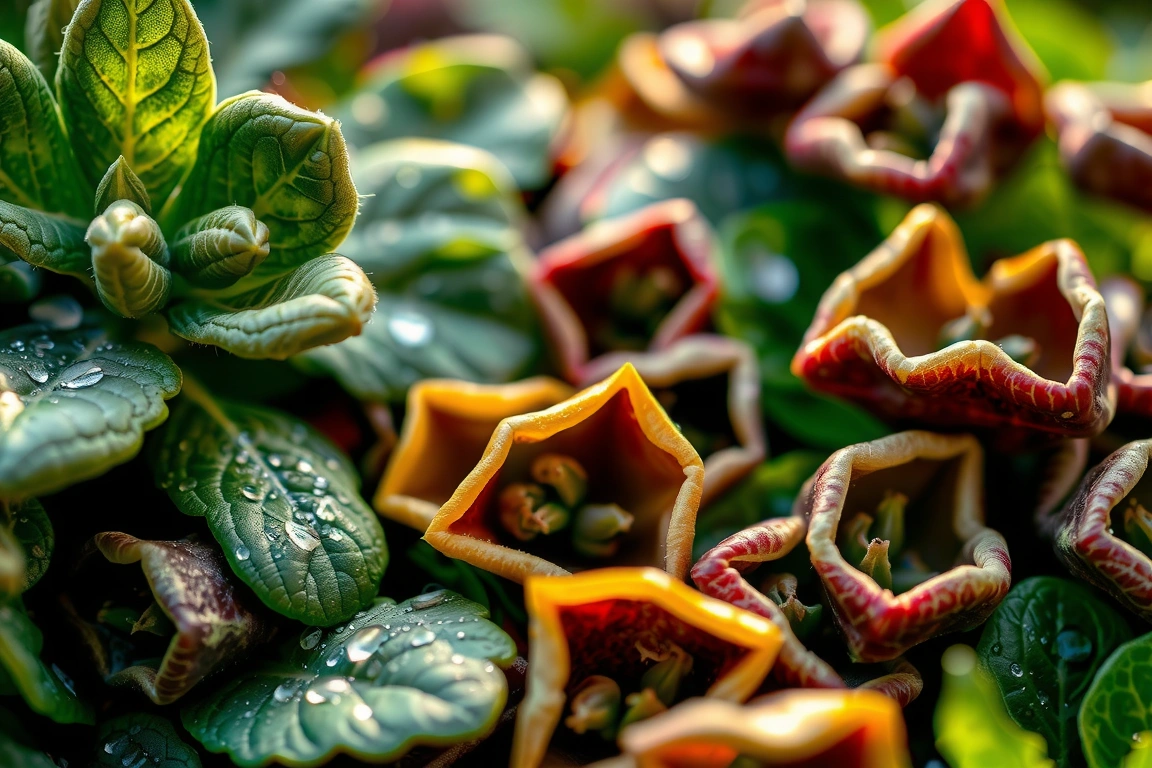
In my Zone 7b garden, fall-sown Purple Coneflower seedlings have taproots over 12 inches deep by June, while spring-sown ones struggle to reach 6 inches.
1. Purple Coneflower (Echinacea purpurea) – The Pollinator Powerhouse
No native plant garden is complete without Echinacea, and starting it from seed is remarkably easy. Skip the generic nursery stock and seek out seed from local ecotypes or cultivars known for vigor. I’ve had outstanding results with the straight species, Echinacea purpurea, from seed collected in the Mid-Atlantic region, and the cultivar ‘Magnus’ for its large, non-drooping petals. The key to success is understanding that fresh seed germinates best; aim to sow seed harvested in 2025 or early 2026.
Cultivar Selection and Sowing Method
For a true, resilient stand, I recommend open-pollinated seeds over highly cultivated hybrids. Sow seeds directly outdoors 6-8 weeks before your first hard frost, which for most of the US is late September to mid-October. Prepare a clean seedbed by removing weeds and lightly scratching the soil surface. Scatter seeds thinly and press them into the soil, but do not cover them—they need light to germinate. A dusting of fine sand or vermiculite can help hold moisture. Expect germination the following spring when soil temperatures consistently reach 55-70°F. Space eventual plants 18 inches apart. A common failure is burying the seeds; if they’re more than 1/8 inch deep, germination rates plummet.
2. Butterfly Weed (Asclepias tuberosa) – The Monarch’s Fuel Stop
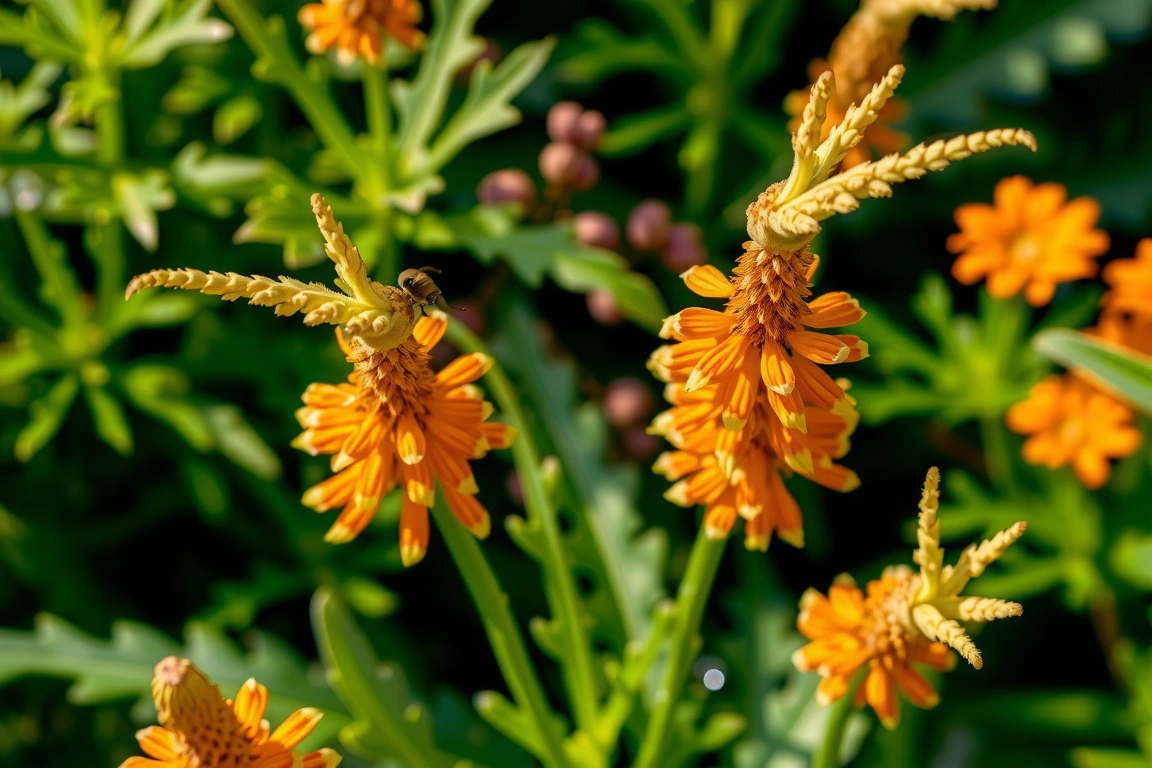
This fiery orange perennial is the cornerstone of any butterfly garden, but its long taproot makes it notoriously difficult to transplant. Growing it from seed sown in situ is the only way to ensure a robust, drought-tolerant plant. It’s adapted to USDA Zones 3-9. The taproot can delve 3 feet deep in search of water, making established plants incredibly resilient. I’ve found plants grown from seed survive summer droughts that kill container-grown specimens, which often have coiled, pot-bound roots.
Overcoming Germination Challenges
Butterfly weed seed requires a cold, moist period. The simplest method is winter sowing: mix seeds with slightly damp sand in a zip-top bag and place it in the refrigerator for 30 days, then direct sow in October or November. Alternatively, sow directly in late fall and let nature handle the stratification. Plant seeds 1/4 inch deep in full sun, in well-drained, even sandy soil. Poor drainage is a death sentence for the crown. Space plants 2 feet apart. Don’t be alarmed if seedlings are slow to appear in spring or if first-year growth seems modest; the plant is investing everything in building that critical taproot. You may not see flowers until the second year, but the wait is worth it for a plant that will live for decades.
You may not see flowers until the second year, but the wait is worth it for a plant that will live for decades.
3. Blue Wild Indigo (Baptisia australis) – The Nitrogen-Fixing Shrub Substitute
Baptisia is a long-lived, deep-rooted workhorse that acts like a woody shrub but grows from a seed. Mature plants form a massive root system that can reach depths of over 10 feet, granting them phenomenal drought tolerance once established (Zones 3-9). A single plant can grow 3-4 feet tall and wide, producing stunning blue pea-like flowers in late spring. It’s a legume, fixing its own nitrogen and improving soil for surrounding plants.
Patience Pays Off With Deep Roots
This plant is the ultimate test in gardener patience but offers immense reward. Seeds have an extremely hard coat. For fall planting, I use a method called “scarification”: gently rub each seed with a nail file or sandpaper until you see a tiny pale spot, then soak in water for 24 hours. Sow these pre-treated seeds 1/2 inch deep in October. Germination is erratic and can occur over two springs. Space plants at least 3 feet apart to accommodate their mature size. The most common mistake is giving up on the seedbed and disturbing it; mark it well and leave it alone. The first-year seedling will be a single small stalk, the second year it begins to bush out, and by year three, you’ll have a spectacular, permanent fixture that requires zero supplemental water.
4. Prairie Blazing Star (Liatris pycnostachya) – The Vertical Accent
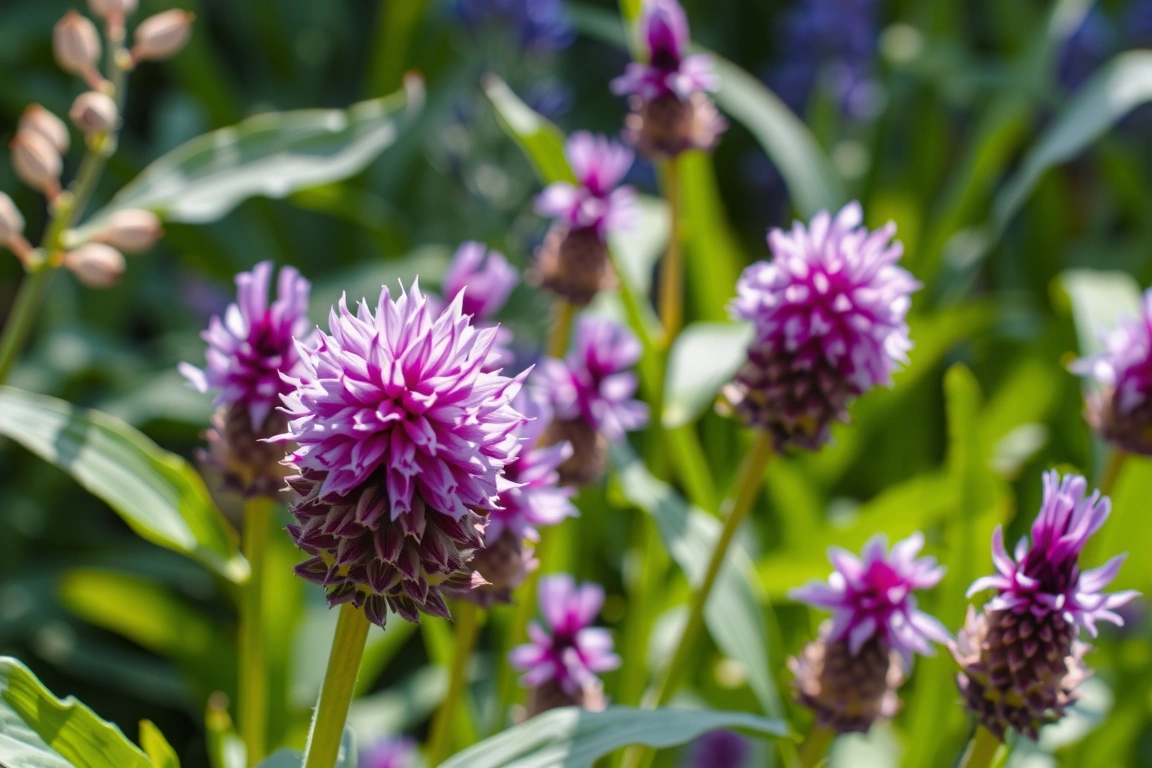
For stunning vertical lines and late-summer blooms that magnets for bees and butterflies, few natives beat Prairie Blazing Star. Adapted to Zones 3-8, it thrives in hot, dry conditions once established. The corm-like root structure stores water efficiently. While often sold as corms, growing from seed is economical for large drifts and produces stronger plants adapted to your specific site.
Sowing for a Dense Display
Sow seeds in late fall, after several hard frosts. They require cold, moist stratification. Surface sow the seeds onto prepared soil and press in firmly; light is beneficial for germination. A thin layer of clean straw mulch can help prevent winter erosion. They germinate best with fluctuating spring temperatures. Thin seedlings to stand 12-15 inches apart. For a dramatic effect, plant in groups of at least five. Expect blooms in the second or third year. A typical mature spike can reach 4-5 feet tall and produce 50+ individual flower heads. Poor flowering is usually due to excess fertility or shade; this plant thrives in lean soil and full sun.
Poor flowering is usually due to excess fertility or shade; this plant thrives in lean soil and full sun.
5. Little Bluestem (Schizachyrium scoparium) – The Four-Season Grass
A native ornamental grass provides structure, movement, and winter interest. Little Bluestem is one of the most adaptable, thriving from Zones 3-9. Its fine blue-green summer foliage turns a stunning coppery-orange in fall and stands tall through winter snow. Its root system is a dense, fibrous mass that can extend 5 feet deep, making it excellent for erosion control and drought survival.
Establishing a Grass from Seed
Sow Little Bluestem seed in late fall to early winter, ideally after a killing frost but before the ground freezes solid. Broadcast seeds over a raked seedbed and lightly rake them in, aiming for a planting depth of no more than 1/4 inch. You can also “frost seed” by scattering seed on top of snow in January or February; the melt will work the seeds into the soil. Germination happens in mid to late spring. Seedlings are fine and grass-like—be careful not to mistake them for weeds. Space clumps 18-24 inches apart. Mature clumps will be 2-3 feet tall and wide. The only real maintenance is cutting them back in early spring before new growth begins.
The Step-by-Step Fall Sowing Process
Success hinges on preparation. About two weeks before your target sowing date (typically after first frost but before ground freeze), clear the planting area of all weeds and debris. Loosen the top 2-3 inches of soil with a rake. If your soil is heavy clay, incorporate a 1-inch layer of coarse sand or fine gravel to improve drainage, as most drought-tolerant natives despise wet feet in winter. Do not add fertilizer or rich compost; these plants are adapted to lean soils.
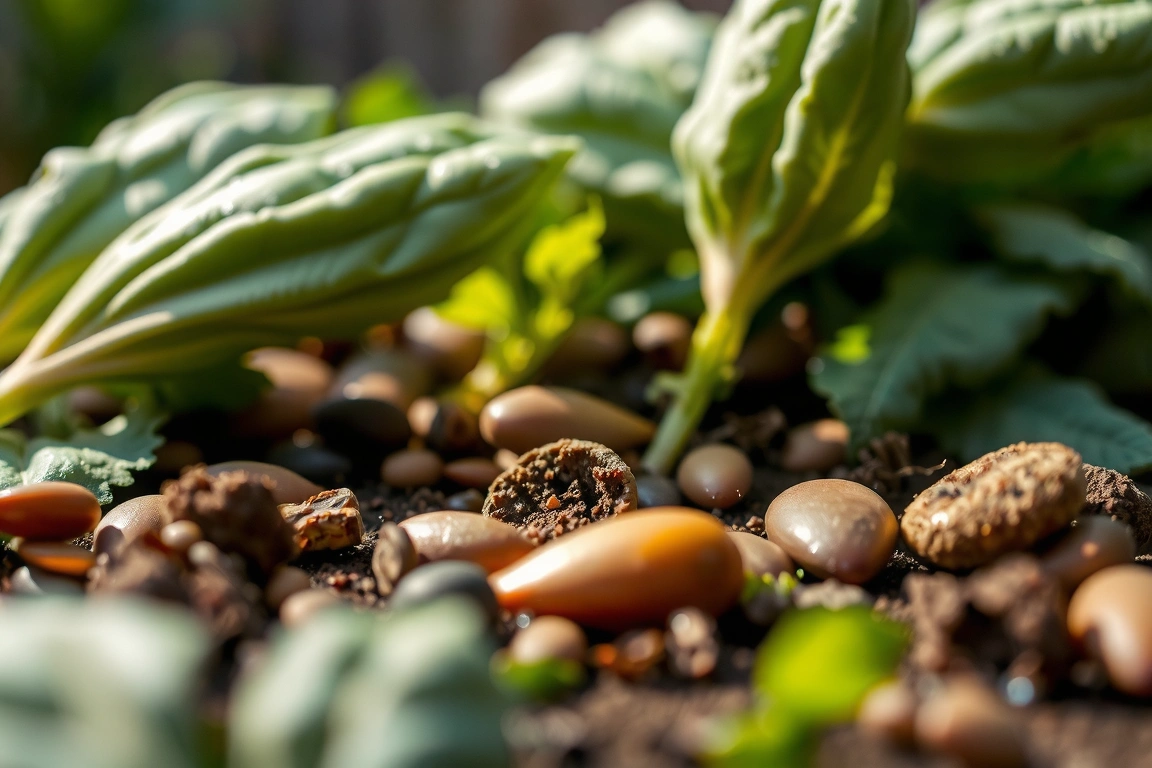
- Seedbed Preparation: Rake the area smooth, creating a fine tilth.
- Sowing: Scatter seeds at the rate recommended for the species. For fine seeds like Coneflower or Blazing Star, mix with dry sand for even distribution.
- Planting Depth: Follow species-specific depth rules. As a rule, seeds the size of a tomato seed or smaller should be surface-sown and pressed in.
- Labeling: Use durable metal or plastic labels, writing the plant name and date with a permanent garden marker. Pencil on wood fades.
- Protection: A very light layer of weed-free straw or pine needles can prevent erosion and seed displacement from heavy rains. Avoid thick mulch that could smother seeds.
- Spring Care: Keep the area lightly moist if spring is unusually dry. Once seedlings have 2-3 true leaves, thin them to the proper spacing.
Your Month-by-Month Fall 2026 Action Calendar
This calendar is tailored for USDA Zones 5-7. Adjust by 2-3 weeks earlier for Zones 8-9, and 2-3 weeks later for Zones 3-4.
- Late August 2026: Source your seeds from reputable native plant seed companies like Prairie Moon Nursery or Ernst Conservation Seeds. Order immediately, as popular species sell out.
- Early September 2026: Prepare your planting beds. Solarize or manually remove weeds. Test soil drainage by digging a 12-inch hole, filling it with water; it should drain within 4 hours.
- Late September to October 2026 (Post-Frost): Primary sowing window. Scarify and soak Baptisia and Butterfly Milkweed seeds. Direct sow all five species into prepared beds.
- November 2026: Apply a light winter mulch if you haven’t already. Install protective cages or markers if you have heavy wildlife traffic (rabbits love young Baptisia).
- December 2026 – February 2027: Rest period. Monitor for heavy soil erosion from winter storms. Consider “frost seeding” Little Bluestem on a snowy day.
- March – April 2027: Watch for germination. Remove winter mulch gradually as temperatures warm. Protect tender seedlings from late frosts with cloches if necessary.
- May – June 2027: Thin seedlings to final spacing. Water weekly only if rainfall is less than 1 inch. Begin diligent weeding to reduce competition.
Companion Planting for a Resilient Native Guild
Don’t plant these in isolation. Group them into guilds that support each other. Butterfly Weed and Purple Coneflower are classic companions, blooming in succession and attracting similar beneficial insects. Plant Little Bluestem as a backdrop to shorter flowers, where its roots will help stabilize soil and its foliage provides shelter for ground beetles. Baptisia, as a nitrogen-fixer, can be planted as a centerpiece with shorter, sun-loving prairie plants around it. Avoid planting aggressive, spreading non-natives nearby, which will outcompete your slow-establishing seedlings. Good low-growing companions for the front of a bed include native sedges (Carex pensylvanica) or Prairie Phlox (Phlox pilosa).
Yield Expectations and Long-Term Vision
Thinking in terms of “yield” shifts with perennials. Your yield is not a single harvest, but annual blooms, pollinator support, soil building, and water savings. Here’s what a 50-square-foot bed containing 3 plants of each species can provide by its third year:
- Bloom Production: 50+ Butterfly Weed flower umbels, 30+ Coneflower blooms, 15 Baptisia spikes, 20 Blazing Star spikes, and the seasonal color shift of Little Bluestem.
- Pollinator Support: Sustained nectar and pollen for bees and butterflies from early summer (Baptisia) through hard frost (Coneflower seed heads).
- Water Savings: Once established in Year 3, this guild should require zero supplemental watering in all but the most extreme droughts, easily saving 200-300 gallons of water per summer compared to a traditional flower bed.
- Maintenance: Less than 2 hours of total maintenance per year after establishment—just cutting back spent stems in early spring.
Starting a native plant garden from seed this fall is an investment in the future resilience of your landscape. It requires less water, less money, and less long-term work than any annual bed or lawn. The initial demand is patience and careful preparation. By following these species-specific steps and aligning your work with the 2026 fall season, you’re not just planting flowers; you’re installing a piece of deeply rooted, self-sufficient ecology. Your first action is to check your first frost date and count back 8 weeks. Your second is to order seeds from a native seed supplier this week—don’t wait. Your third is to mark a sunny, well-drained spot in your garden and commit to leaving it undisturbed. By this time next year, you’ll see the first green promises of a landscape that can truly take the heat.
FAQ: Fall Sowing Native Plant Seeds
Can I just scatter the seeds on top of my lawn?
No, this is the most common failure. Existing grass and weeds are fierce competitors that will outcompete tiny native seedlings for light, water, and nutrients. You must prepare a clean, weed-free seedbed. For larger areas, smother grass with cardboard and mulch for a full season before sowing.
What if nothing comes up in the spring?
Don’t panic or till the area. Many native perennials, especially Baptisia and some Milkweeds, exhibit “double dormancy” and may not germinate until their second spring. Keep the area marked, lightly watered during dry spells, and weed-free. I’ve had Baptisia seeds sprout 22 months after sowing.
Do I need to water the seeds after sowing in the fall?
Only if the autumn is exceptionally dry after planting. Give the seeded area a thorough soaking immediately after sowing to settle the seeds into soil contact. After that, rely on natural rain and snow. The goal is to avoid having the seeds desiccate before winter moisture arrives.
Small changes, real momentum
Get practical guides and templates you’ll actually use — a few thoughtful emails a month.
Grow Something Good
Seasonal how-tos and sustainable gardening you can actually use.