
How to Start Your First Home Garden: A Complete Beginner’s Guide
Assess Your Space and Sunlight Requirements
- Measure your available garden area (raised bed, containers, or in-ground plot) and document sunlight exposure throughout the day
- Identify the best location that receives 6-8 hours of direct sunlight for vegetables, or 3-4 hours for shade-tolerant plants
- Check for proper drainage and proximity to water sources for convenient maintenance
Prepare Your Soil for Optimal Plant Growth
- Test your soil pH and nutrient levels using an inexpensive home kit or professional lab analysis
- Amend soil with organic matter like compost, aged manure, or peat moss to improve texture and nutrient content
- Clear existing weeds, rocks, and debris, then till or turn the soil 8-12 inches deep
Choose Easy-to-Grow Plants for Beginners
- Start with low-maintenance vegetables like tomatoes, lettuce, zucchini, peppers, and carrots that require minimal experience
- Select herbs such as basil, parsley, and mint that grow quickly and provide immediate kitchen value
- Consider your climate zone and growing season length when selecting plant varieties
Set Up Essential Garden Infrastructure
- Install or arrange raised beds, containers, or garden rows with adequate spacing between plants
- Set up a reliable watering system such as drip irrigation, soaker hoses, or hand-watering stations near your water source
- Gather basic tools including spade, hoe, trowel, pruners, and work gloves for daily maintenance
Master Basic Planting and Watering Techniques
- Follow seed packet instructions for planting depth, spacing, and timing to ensure proper germination and growth
- Water deeply and consistently, aiming for 1-1.5 inches per week, and adjust based on rainfall and seasonal temperature changes
- Water early in the morning to reduce disease and evaporation, directing moisture to plant roots rather than foliage
Monitor, Maintain, and Manage Pests Naturally
- Inspect plants weekly for signs of pests, diseases, or nutrient deficiencies and address issues promptly
- Use organic pest management methods like hand-picking insects, neem oil, or companion planting to avoid chemical pesticides
- Remove dead leaves and weeds regularly to maintain garden health and prevent pest infestations
Harvest and Plan for Continuous Growing
- Learn proper harvesting techniques for each plant
🌱 Editor’s Pick
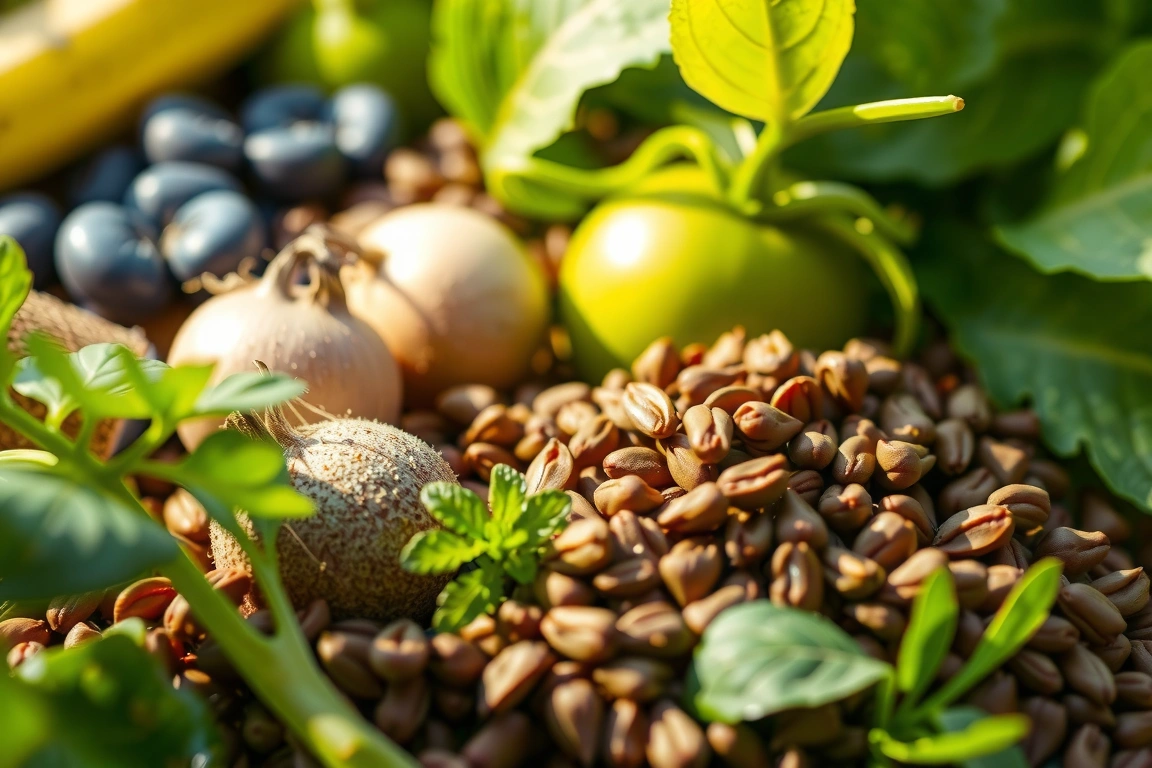
Harvest and Plan for Continuous Growing Editor’s Pick: raised garden bed kit.
Grow Something Good
Seasonal how-tos and sustainable gardening you can actually use.