
Disclosure: This post contains affiliate links. If you click through and make a purchase, we may earn a small commission at no extra cost to you. Thank you for supporting this site!
If you’re staring at your fall garden and thinking the season is over, you’re missing the single most important planting window for the pollinators your entire food forest depends on. Spring-planted perennials spend their first year building roots, but a fall-planted perennial gets a full season of cool, moist root development before the heat hits, resulting in a plant that’s 30-40% larger and more drought-tolerant by its first summer. I learned this the hard way when my spring-planted Agastache struggled through July, while the identical cultivar I tucked in the previous October exploded with blooms. This isn’t just about adding color; it’s about strategic, long-term support for bees, butterflies, and hummingbirds that will boost your vegetable yields for years. Here are the five perennial flowers you need to get in the ground before the first hard frost, chosen for multi-season interest, extreme reliability, and their specific roles in a layered, permaculture garden.
8 min read
In This Article
- 1. Anise Hyssop (Agastache foeniculum) – The Bumblebee Power Station
- 2. New England Aster (Symphyotrichum novae-angliae) – The Monarch’s Last Fuel Stop
- 3. Russian Sage (Perovskia atriplicificolia) – The Drought-Proof Beacon
- 4. Sedum (Hylotelephium spectabile) – The Autumn Butterfly Buffet
- 5. Giant Hyssop (Agastache scrophulariifolia) – The Hummingbird Magnet
- Your Fall Planting Action Calendar
- Common Pitfalls and How to Avoid Them
- FAQ
Key Takeaways
- 1. Anise Hyssop (Agastache foeniculum) – The Bumblebee Power Station
- 2. New England Aster (Symphyotrichum novae-angliae) – The Monarch’s Last Fuel Stop
- 3. Russian Sage (Perovskia atriplicificolia) – The Drought-Proof Beacon
- 4. Sedum (Hylotelephium spectabile) – The Autumn Butterfly Buffet
1. Anise Hyssop (Agastache foeniculum) – The Bumblebee Power Station
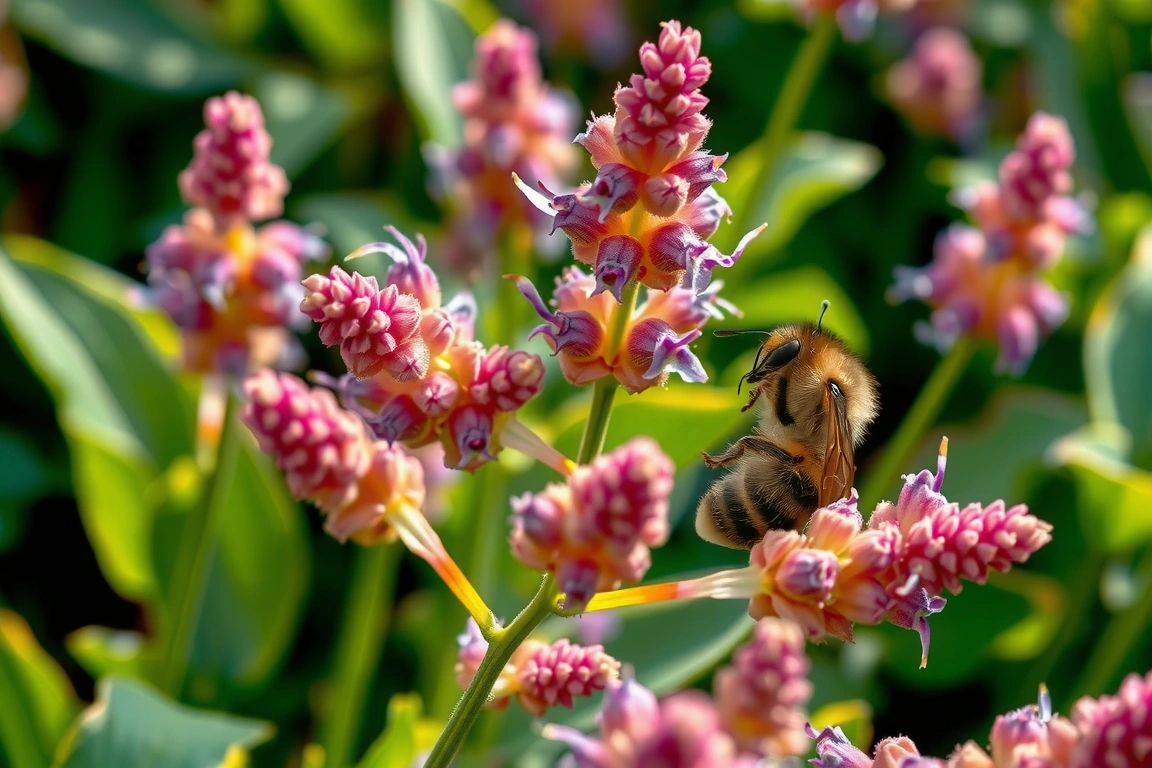
Anise hyssop is the workhorse of my pollinator garden, and for good reason. A single established plant in my Zone 6b garden will be visited by over 50 bumblebees on a sunny August afternoon, and it blooms relentlessly from early July straight through to the first frost in October. The key is choosing a reliable, seed-propagated species like Agastache foeniculum over some of the flashier but less hardy hybrid cultivars. I made the mistake of planting ‘Blue Fortune’ one year, only to lose half of them over a wet winter; the straight species has never failed me. Its licorice-scented leaves are also a wonderful tea herb, making this a true multi-functional plant.
Top Cultivar: ‘Golden Jubilee’
While the species is superb, ‘Golden Jubilee’ offers stunning chartreuse foliage in spring that matures to green, extending visual interest long before the lavender-blue flower spikes appear. It maintains the species’ excellent hardiness (USDA Zones 4-8) and pollinator appeal. Plant it 18 to 24 inches apart to allow for good air circulation, which prevents powdery mildew in humid climates.
Zone Requirements and Planting Schedule
Anise hyssop thrives in USDA Zones 4-8. For fall planting, aim to get plants or divisions in the ground at least 6-8 weeks before your average first hard frost date. This gives the roots time to anchor. In Zone 6, that means planting by mid-October. It demands full sun (at least 6 hours) and well-drained soil. The most common failure is planting in heavy, soggy clay; if that’s your soil, amend the planting hole with a 50/50 mix of native soil and coarse sand or pea gravel.
It demands full sun (at least 6 hours) and well-drained soil.
2. New England Aster (Symphyotrichum novae-angliae) – The Monarch’s Last Fuel Stop
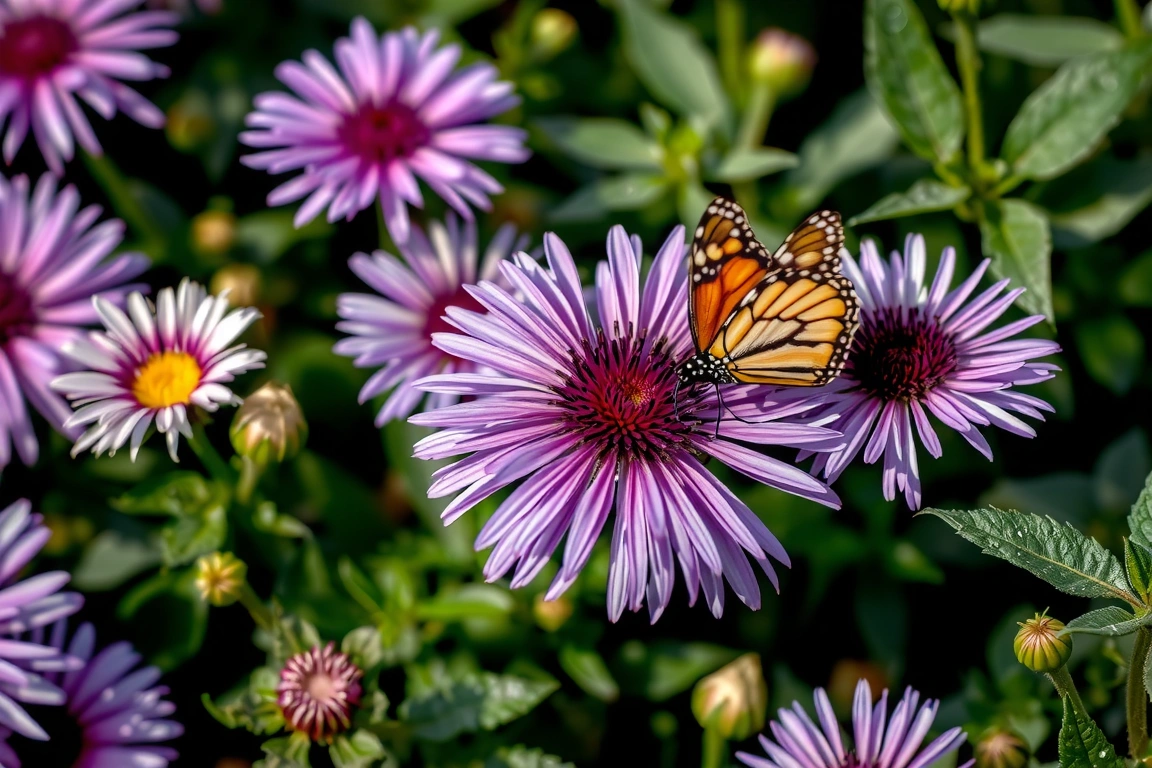
When most perennials are winding down, New England Aster is just hitting its stride, providing critical late-season nectar for migrating Monarch butterflies. I’ve counted a dozen Monarchs on a single plant in late September. Unlike its fussier relatives, this native aster is remarkably resistant to powdery mildew. The classic cultivar ‘Purple Dome’ is a dense, compact mound reaching about 18 inches tall and wide, perfect for the front of a border. For a bigger statement, ‘Alma Potschke’ delivers shocking magenta-pink blooms on 3-4 foot stems.
Spacing, Depth, and Soil Prep
Space asters 20 to 30 inches apart, as they will form substantial clumps. Plant at the same depth they were growing in their nursery pot. They are not fussy about soil pH but require good drainage. At planting time, I work in a handful of bone meal per plant to encourage strong root growth over the winter. Avoid high-nitrogen fertilizers, which promote leggy growth and fewer flowers. Expect each mature clump to produce 30-50 flowering stems in its second year.
3. Russian Sage (Perovskia atriplicificolia) – The Drought-Proof Beacon
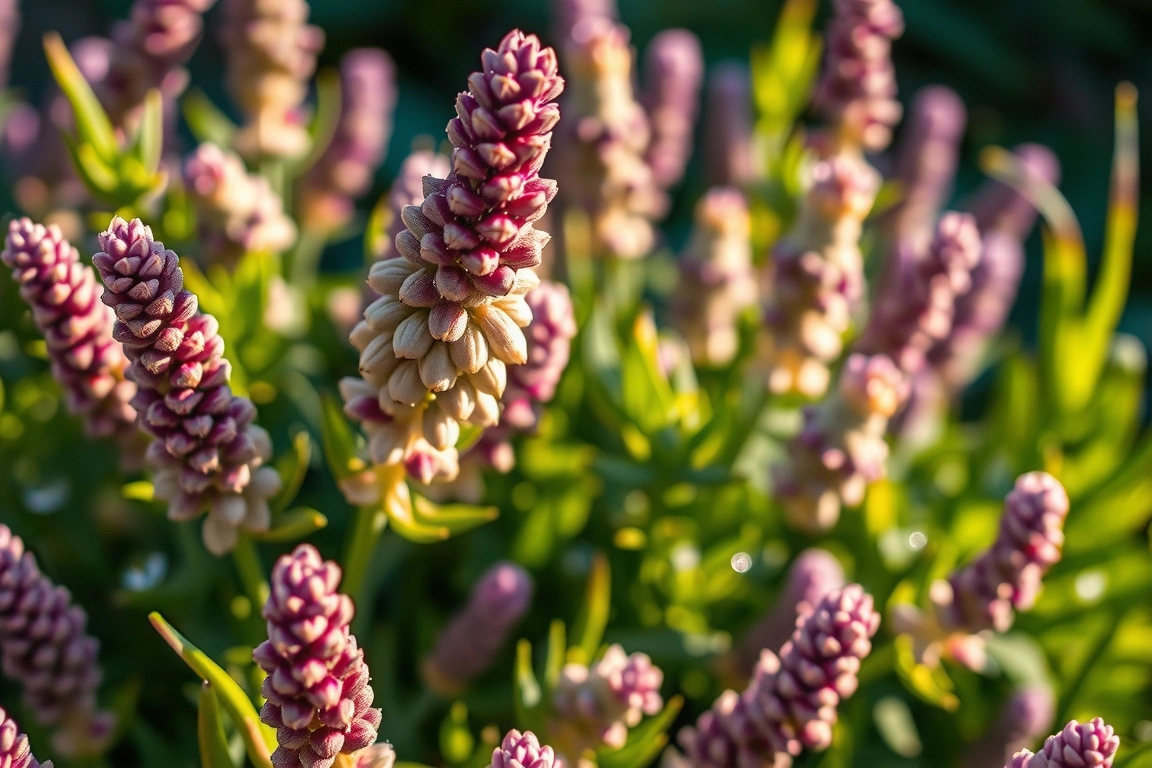
For gardens in dry, sunny areas (Zones 5-9), Russian sage is indispensable. Its wispy, lavender-blue plumes and silvery, aromatic foliage create a haze of color from mid-summer into fall. It’s exceptionally drought-tolerant once established, but that establishment phase is critical. Fall planting is ideal because it avoids the stress of summer heat. The cultivar ‘Denim ‘n Lace’ is a superior choice, offering stronger, upright stems that won’t flop like the older ‘Blue Spire’ often does. It reliably reaches 32 inches tall and wide.
Companion Planting Matrix
Russian sage pairs beautifully with other sun-lovers that enjoy sharp drainage. Plant it as a backdrop to:
- Sedum ‘Autumn Joy’: Its pink flower heads complement the Perovskia’s blue and transition to bronze in fall.
- Ornamental Grasses (Panicum virgatum ‘Shenandoah’): The red-tipped grass blades add movement and autumn color.
- Echinacea purpurea: The contrast between the daisy-like coneflowers and the airy sage creates perfect textural balance.
Avoid planting it near water-loving perennials like Ligularia or Astilbe.
4. Sedum (Hylotelephium spectabile) – The Autumn Butterfly Buffet
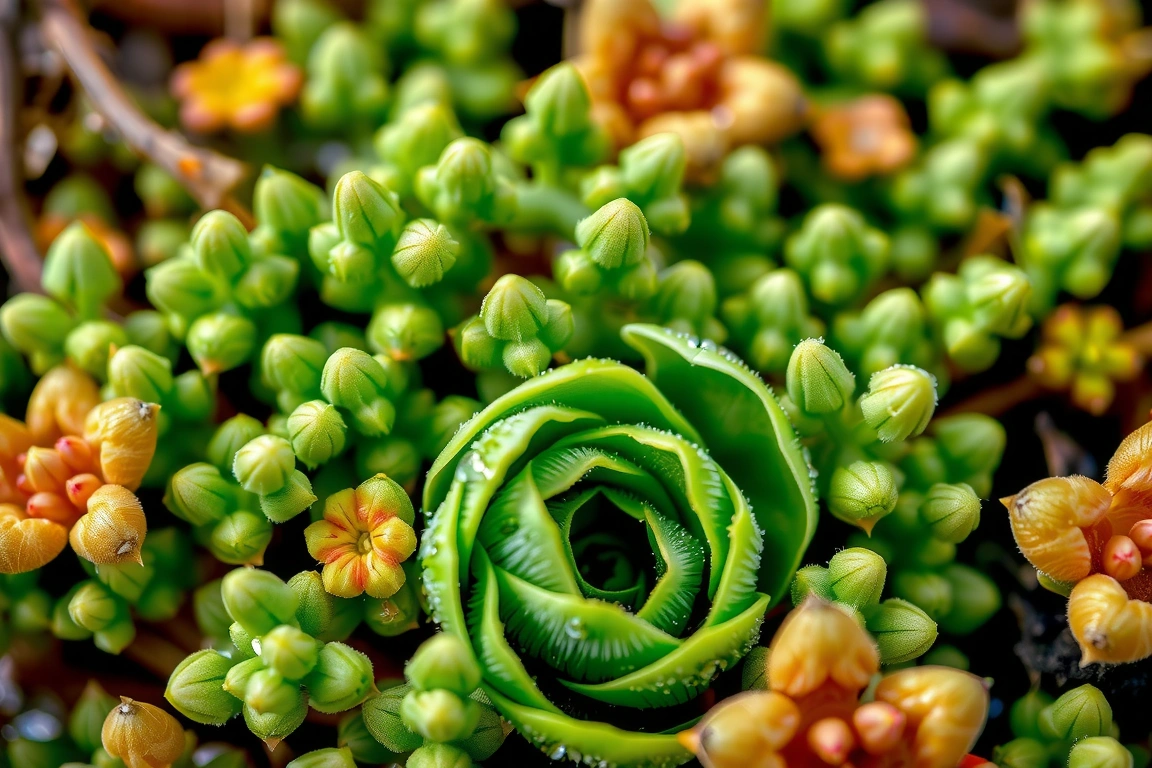
Sedums are the ultimate “plant it and forget it” perennial for pollinators. Their succulent leaves store water, making them incredibly resilient. In late summer and autumn, their flat, plate-like flower clusters are mobbed by every pollinator in the vicinity, especially painted lady butterflies and honeybees. The classic ‘Autumn Joy’ is reliable, but its flower heads can get heavy and splay open after rain. For a sturdier, more colorful alternative, seek out ‘Neon’ for bright pink flowers or ‘Class Act’ for stronger stems and deeper rose blooms.
Pest Management and Division
Sedums have few pest problems. The main issue is slugs and snails chewing on new spring growth. A Ring of crushed eggshells or diatomaceous earth around the base is an effective organic deterrent. To maintain vigor and prevent the center of the clump from dying out, divide plants every 3-4 years in early spring or right after they finish blooming in the fall. Simply dig up the clump, use a sharp spade to cut it into sections (each with several growing points), and replant immediately 18 inches apart.
Simply dig up the clump, use a sharp spade to cut it into sections (each with several growing points), and replant immediately 18 inches apart.
5. Giant Hyssop (Agastache scrophulariifolia) – The Hummingbird Magnet
While Anise Hyssop feeds the bees, its cousin, Giant Hyssop or Purple Giant Hyssop, is specifically evolved for hummingbirds. The taller flower spikes (4-5 feet) and individual tubular flowers are perfectly shaped for a hummingbird’s beak. In my garden, it’s not uncommon to see a Ruby-throated Hummingbird visiting every 15 minutes from dawn until dusk. It’s a robust, upright plant that adds great vertical structure. It prefers consistent moisture more than common anise hyssop but still requires excellent drainage.
Harvest Timeline and Yield Expectations
Fall-planted Giant Hyssop will focus on root growth in its first year. Expect modest growth the following spring, with flowering typically beginning in its second summer, around late July. Once established, a single plant will produce 8-12 substantial flower spikes per season, each spike blooming for 3-4 weeks. You can deadhead spent spikes to encourage a second, smaller flush of flowers. By the third year, the clump will be 3 feet wide and serve as a major nectar source for 6-8 weeks.
Your Fall Planting Action Calendar
Timing is everything. Use this month-by-month guide to ensure success.
- Early September (6-8 weeks before frost): Prepare your planting beds. Remove summer annuals, weed thoroughly, and amend soil with 2 inches of finished compost. Test your soil pH; most of these perennials prefer a neutral to slightly alkaline pH (6.5-7.5). Source your plants from local nurseries or reputable online native plant retailers.
- Late September to Mid-October (Planting Window): This is prime planting time. Water all new plantings deeply at installation. Apply a 2-3 inch layer of shredded leaf mulch around (but not touching) the plant stems to insulate roots and conserve moisture. Do not fertilize.
- Late October to November (Post-Frost): After the ground freezes, you can add a light, loose layer of straw or evergreen boughs over the top of tender new plants like Agastache for extra protection, especially in Zones 4-5. Mark the locations of your new perennials with tall stakes so you don’t accidentally disturb them in early spring.
- Next March-April: Gently pull back winter mulch as new growth emerges. Scratch a half-cup of balanced, organic fertilizer (like Espoma Plant-tone 5-3-3) into the soil around each plant to support spring growth.
Common Pitfalls and How to Avoid Them
I’ve killed my share of perennials, so learn from these mistakes:
- Planting Too Late: If the ground is frozen or you’re within 4 weeks of a hard frost, it’s too late. The roots won’t establish. Instead, “heel in” the potted plants in a sheltered location by burying the pots in soil or mulch, and plant them first thing in spring.
- Over-Mulching (Volcano Mulching): Piling mulch against the plant crown is a death sentence, encouraging rot and rodent damage. Always leave a 2-inch mulch-free ring around the stem.
- Overwatering in Fall: While new plants need consistent moisture, soggy soil as temperatures drop leads to root rot. Water deeply once a week unless rainfall exceeds 1 inch.
- Choosing the Wrong Cultivar for Your Zone: A plant labeled “hardy to Zone 5” might only survive in Zone 5 if it has perfect drainage and a sheltered microclimate. When in doubt, choose a cultivar rated for one zone colder than yours.
Investing a weekend this fall to plant these five perennial powerhouses will fundamentally shift the ecology of your garden. You’re not just planting flowers; you’re installing a permanent, low-maintenance support system for the pollinators that make your fruit trees set more fruit and your vegetables produce higher yields. Start with the Anise Hyssop and Sedum for foolproof success, then add the vertical drama of Giant Hyssop and Aster. Your action items are clear: first, determine your exact average first frost date (check NOAA records), then source your plants locally this month, and finally, prepare your planting beds with compost, not fertilizer. By next August, you’ll be sitting in a garden that hums with life, and you’ll understand why the best garden planning happens not in spring, but the fall before.
Small changes, real momentum
Get practical guides and templates you’ll actually use — a few thoughtful emails a month.
FAQ
Can I plant these perennials from seed in the fall?
Yes, but with a major caveat. Many native perennials like New England Aster and Anise Hyssop require a period of cold, moist stratification to break dormancy. Sowing seeds directly in prepared soil in late fall can mimic this naturally. However, germination rates are variable, and you won’t see flowering plants until the second year. For faster results and guaranteed cultivars, fall planting of container-grown nursery plants is the most reliable method for home gardeners.
How much should I water new fall plantings before winter?
This is the most common question. The goal is to encourage deep root growth without waterlogging. Water deeply immediately after planting, soaking the root ball and surrounding soil. Then, provide about 1 inch of water per week, either from rainfall or supplemental watering, until the ground freezes solid. A simple rain gauge is your best tool here. Evergreen perennials like some Sedums continue to lose moisture through their leaves in winter, so ensuring they enter winter well-hydrated is critical.
Is it better to mulch in the fall or spring for winter protection?
Apply your main mulch layer in late fall, after the ground has frozen hard. The purpose of winter mulch is not to keep the plants warm, but to keep the ground frozen and prevent damaging freeze-thaw cycles that can heave plants out of the soil. Use a loose, airy material like shredded leaves, straw, or pine boughs. Avoid heavy materials like whole leaves or fine wood chips that can mat down and suffocate the crown. You can pull this mulch back slightly in early spring as temperatures warm.
Grow Something Good
Seasonal how-tos and sustainable gardening you can actually use.