
Most gardeners think of fall as the finish line, a time to pull up spent annuals and wait for spring. But for those of us practicing permaculture, autumn is the starting pistol for the most rewarding harvests. Planting perennial vegetables in the fall gives them a critical head start, allowing roots to establish over the winter for a vigorous, early-spring explosion of food. While your neighbors are just turning the soil in April, you’ll be harvesting asparagus spears and cutting fresh greens. This guide covers ten workhorse perennials that, planted this September or October, will be ready to deliver a serious payoff by spring of 2026. I’ve trialed all of these in my Zone 6b food forest, and I’ll give you the exact cultivars, spacing, and timelines that have worked—and failed—in real backyard conditions.
Disclosure: This post contains affiliate links. If you click through and make a purchase, we may earn a small commission at no extra cost to you. Thank you for supporting this site!
12 min read
In This Article
- Why Fall is the Prime Time for Planting Perennials
- Cultivar Selection: Choosing the Right Genetics for Your Garden
- Zone Requirements and Site Preparation
- Soil Preparation: Building a Foundation for Decades
- Planting Schedule: Your Month-by-Month Fall Calendar
- Spacing and Depth: Giving Plants Room to Thrive
- Companion Planting for a Resilient Ecosystem
- Pest and Disease Management: The Proactive Approach
- Harvest Timeline: Practicing Patience for a Lifetime of Food
- Yield Expectations: What to Expect from Your Investment
- Putting It All Together: A Sample Planting Plan
Key Takeaways
- Why Fall is the Prime Time for Planting Perennials
- Cultivar Selection: Choosing the Right Genetics for Your Garden
- Zone Requirements and Site Preparation
- Soil Preparation: Building a Foundation for Decades
Why Fall is the Prime Time for Planting Perennials
Planting perennials in the fall aligns with their natural growth cycle. As the air cools, the plant’s energy shifts from producing top growth to developing a robust root system underground. Warm soil and cooler air temperatures create ideal conditions for root establishment without the stress of summer heat. A perennial planted in September has a solid eight to ten weeks of root growth before the ground freezes, giving it a massive advantage over a spring-planted sibling. I’ve seen this firsthand: asparagus crowns planted in fall produce harvestable spears a full year earlier than those planted the following April. The key is timing; you want to get them in the ground about 6-8 weeks before your first hard frost is expected. This gives enough time for roots to anchor but not so much that top growth is stimulated, which can be damaged by frost.
The other major benefit is water management. Fall typically brings more consistent rainfall, reducing your watering chores. By establishing deep roots before winter, these plants will also be exceptionally drought-tolerant come summer. The one common failure point is planting too late. If you miss the window and the ground is frozen, the plants won’t have time to establish and can heave out of the soil during freeze-thaw cycles. For most of the continental US (USDA zones 4-7), the sweet spot is late September through mid-October.
For most of the continental US (USDA zones 4-7), the sweet spot is late September through mid-October.
Cultivar Selection: Choosing the Right Genetics for Your Garden
Not all perennial vegetables are created equal, and cultivar choice is everything. You’re making a multi-decade investment, so it pays to select varieties bred for flavor, yield, and disease resistance. I always recommend starting with disease-resistant asparagus crowns like ‘Jersey Knight’ or ‘Purple Passion’. ‘Jersey Knight’ is a high-yielding, all-male hybrid that won’t waste energy on seed production, while ‘Purple Passion’ offers a sweeter, tender spear that turns green when cooked. For rhubarb, ‘Canada Red’ and ‘Victoria’ are classics for a reason, producing thick, vibrant stalks year after year.
When sourcing plants, avoid the generic “asparagus crowns” or “rhubarb roots” from big-box stores. Seek out reputable nurseries that specify the cultivar name. For Egyptian walking onions and sorrel, you often need to find fellow gardeners for divisions, as they are less commonly sold. I’ve had great success with ‘Profusion’ sorrel from Richter’s Herbs; it’s less prone to bolting than common garden sorrel. Remember, you’ll be living with these choices for 10, 20, even 50 years, so a few extra dollars spent on quality genetics upfront pays infinite dividends.
Top Cultivars for Reliability and Flavor
- Asparagus: ‘Jersey Knight’ ( Zones 3-8, high yield), ‘Purple Passion’ (Zones 3-8, sweet flavor)
- Rhubarb: ‘Canada Red’ (Zones 3-8, vigorous), ‘Victoria’ (Zones 3-8, classic green-red stalk)
- Good King Henry: No named cultivars are common, but seek out seed from heirloom seed savers.
- Sea Kale: ‘Lily White’ is the traditional cultivar for forced blanched shoots.
Zone Requirements and Site Preparation
Most perennial vegetables are cold-hardy, but your USDA hardiness zone dictates which will thrive. Asparagus and rhubarb are tough as nails, surviving in zones 3-8. Sea kale and sorrel are a bit less cold-tolerant, best for zones 4-9. The real key isn’t just survival; it’s choosing a site with full sun (at least 6-8 hours) and excellent drainage. Perennials despise “wet feet,” especially in winter. I made the mistake of planting a rhubarb crown in a slightly low spot once, and it rotted out after its first winter. Now, I always plant on a slight mound or raised bed.
Soil preparation is non-negotiable. This is your one chance to deeply amend the soil before the plants go in. For each planting hole or trench, I mix in a 5-gallon bucket of finished compost and a half-cup of bone meal per plant. This provides slow-release nutrients for root development. For asparagus, which is a heavy feeder, I dig a trench 12 inches deep and 12 inches wide, creating a rich bed for the crowns to spread. The goal is to create a soil ecosystem that will support the plant for decades, so skimping here is the biggest mistake you can make. A soil test is worth its weight in gold; it will tell you if you need to adjust pH (asparagus prefers 6.5-7.0) or add specific minerals.
Soil Preparation: Building a Foundation for Decades
Think of planting a perennial as building a house; the foundation matters most. You need to dig deep and enrich a large area, not just a small hole. For individual plants like rhubarb or sea kale, dig a hole at least 18 inches wide and deep. For asparagus, which is planted in a row, a trench is more efficient. I dig my asparagus trenches a full 12 inches deep. The amendment recipe I swear by is straightforward: for every 10 linear feet of trench or for 3-4 individual planting holes, I incorporate 3 cubic feet (about two large wheelbarrow loads) of well-rotted compost or manure, 5 pounds of rock phosphate or bone meal for root growth, and 2 pounds of greensand for potassium and trace minerals.
If your soil is heavy clay, drainage is critical. I’ll mix in a 2-inch layer of coarse builder’s sand or pea gravel at the very bottom of the planting hole before adding the amended soil back in. This creates a French drain effect, preventing water from pooling around the crown. The single most common cause of perennial vegetable death in their first year is crown rot from poor drainage, not cold weather. After planting, mulch heavily with 4-6 inches of straw or shredded leaves to suppress weeds and regulate soil temperature, but keep the mulch a few inches away from the direct crown of the plant to avoid rot.
The single most common cause of perennial vegetable death in their first year is crown rot from poor drainage, not cold weather.
Planting Schedule: Your Month-by-Month Fall Calendar
Timing is not a suggestion; it’s the difference between success and failure. Your planting schedule is entirely dictated by your average first fall frost date. You can find this for your zip code on the NOAA climate website. Let’s use my Zone 6b garden (first frost around October 15th) as an example.
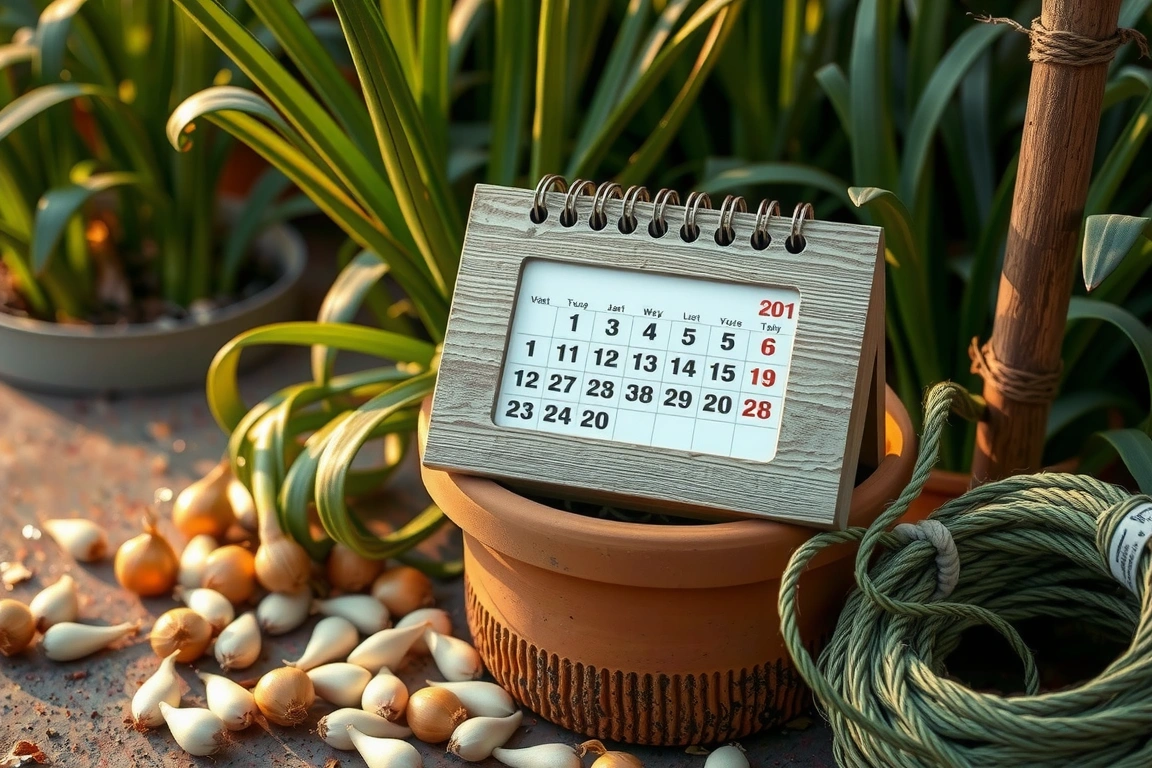
- Early September: Order crowns, seeds, or roots from reputable nurseries. Prepare your planting beds. This is your last chance to do a soil test and amend based on the results.
- Late September to Mid-October (6-8 weeks before frost): This is the prime planting window. Get all crowns (asparagus, rhubarb) and potted perennials (sorrel, sea kale) in the ground.
- Late October (2-4 weeks before frost): Direct sow seeds for things like Good King Henry and sea kale. They need a period of cold stratification to germinate in spring.
- November (after frost): Apply a final, thick layer of mulch (6+ inches of straw) to protect the newly planted crowns from temperature fluctuations.
If you live in a warmer zone (8-9), your planting window shifts later, from November through January, when the plants are truly dormant. The rule of thumb is to plant when the plant is dormant but the ground is still workable.
Spacing and Depth: Giving Plants Room to Thrive
Cramming perennials is a recipe for disappointment. These plants need space to reach their full productive potential over many years. Asparagus is the most demanding: space crowns 18 inches apart in the trench, with rows 4-5 feet apart. I made the mistake of using 12-inch spacing once, and by year five, the bed was so crowded that yields plummeted. Plant asparagus crowns with the buds facing up, covering them with just 2 inches of soil initially. As the shoots grow, gradually fill in the trench over the season.
Rhubarb is a giant. Each plant needs a 3-foot diameter circle of space. Plant the crown so the bud is just barely below the soil surface, about 1-2 inches deep. Good King Henry and sorrel can be planted closer, about 12 inches apart in all directions. Egyptian walking onions are clump-forming; plant individual bulbs 8 inches apart. Sea kale needs room to spread its large, silvery leaves; give it a 2.5-foot radius. Proper spacing isn’t just about yield; it’s about air circulation, which drastically reduces disease pressure like powdery mildew and rust.
Companion Planting for a Resilient Ecosystem
In a permaculture system, we never plant in isolation. Companion planting with perennials builds a supportive guild that suppresses weeds, attracts beneficial insects, and improves soil health. I always interplant my asparagus bed with low-growing nitrogen-fixers like white clover or perennial peanuts. They form a living mulch, feed the soil, and don’t compete with the asparagus spears. Around my rhubarb, I plant alliums like chives or Egyptian walking onions; their strong scent seems to confuse pests that might bother the rhubarb.
For sorrel and Good King Henry, which are grown for their greens, I create a polyculture with other low-growing perennials. Creeping thyme and oregano make excellent groundcover companions, and their flowers are a magnet for pollinators. I avoid planting brassicas (like perennial tree collards) too close to rhubarb, as they can attract similar pests. The goal is to create a layered system that mimics a forest edge, where plants support each other. A simple guild for a rhubarb plant might include chives (pest deterrent), comfrey (dynamic accumulator for mulch), and strawberries (living groundcover).
A simple guild for a rhubarb plant might include chives (pest deterrent), comfrey (dynamic accumulator for mulch), and strawberries (living groundcover).
Pest and Disease Management: The Proactive Approach
With perennials, you’re managing for the long haul, so chemical solutions are out of the question. The best defense is a healthy plant in a balanced ecosystem. The most common issue with asparagus is the asparagus beetle. I control them by encouraging parasitic wasps with nectar-rich flowers like dill and fennel planted nearby. For rust fungus, which can affect asparagus and rhubarb, the solution is proper spacing and avoiding overhead watering to keep foliage dry.
Rhubarb can suffer from crown rot if drainage is poor, which is why site prep is so critical. Slugs can be a problem for young sorrel and Good King Henry leaves. I use iron phosphate-based slug bait, which is safe for pets and wildlife, or simply set out beer traps. The beauty of a well-planned perennial bed is that it develops its own defenses over time. After the first few years, my asparagus bed has a resident population of ladybugs and lacewings that keep pest outbreaks in check. The key is to tolerate a little damage and focus on building overall plant health through great soil and compost tea sprays.
Harvest Timeline: Practicing Patience for a Lifetime of Food
This is the hardest part for new gardeners: you must resist harvesting for the first year or two. The plant’s energy needs to go into building a massive root system, not feeding you. For asparagus, the standard rule is to not harvest at all the first year after planting crowns. In the second year (Spring 2025 for a fall 2024 planting), you can harvest spears for a 2-3 week period. In the third year (Spring 2026), you can extend the harvest to 6-8 weeks.
For rhubarb, do not harvest any stalks the first year. In the second year, you can harvest a few stalks sparingly. By the third year, the plant will be established enough for a full harvest from spring to early summer. With sorrel and Good King Henry, you can begin light harvesting of outer leaves in the spring following planting. Sea kale should not be harvested until its second year, and even then, only a few shoots per plant. This patience is an investment. A well-established asparagus bed can produce for 20 years or more, yielding 1/2 to 3/4 of a pound of spears per crown annually.
Yield Expectations: What to Expect from Your Investment
Managing expectations is crucial. A perennial vegetable garden is not about immediate gratification but about building food security. Here’s a realistic yield timeline for a fall 2024 planting, assuming proper care.
| Vegetable | First Harvest (Spring 2025) | Established Harvest (Spring 2026+) |
|---|---|---|
| Asparagus (per crown) | No harvest | 0.5 – 0.75 lbs per crown over 6-8 weeks |
| Rhubarb (per plant) | 1-2 stalks only | 4-6 lbs of stalks over 8 weeks |
| Good King Henry (per plant) | Light picking of leaves | Continuous harvest of 10-15 leaves per week |
| Sorrel (per plant) | Light picking of leaves | Continuous harvest; will regrow after cutting |
An established 10-foot row of asparagus (about 8 crowns) can easily provide 4-6 pounds of spears each spring. A single mature rhubarb plant can yield enough for multiple pies and batches of sauce. The greens like sorrel and Good King Henry are cut-and-come-again, providing a steady supply for salads and cooking from early spring until hard frost.
Putting It All Together: A Sample Planting Plan
Let’s design a real-world bed for a suburban gardener in Zone 6. Imagine a sunny, well-drained strip along a south-facing fence, 15 feet long and 4 feet wide. Here’s how I’d plant it this fall for a Spring 2026 harvest bonanza:
- Back row (against fence): 3 Rhubarb plants (‘Canada Red’), spaced 3 feet apart.
- Middle row: 8 Asparagus crowns (‘Jersey Knight’), spaced 18 inches apart in a trench.
- Front edge: A mix of 4 Sorrel (‘Profusion’) and 4 Good King Henry plants, interplanted with chives and creeping thyme, spaced 12 inches apart.
This layout uses vertical space, provides clear access for harvesting, and creates a companion planting guild. The initial investment in crowns and soil amendments might be $150-$200, but this bed will produce delicious, organic food for your family for the next two decades with minimal annual input. That’s the power of perennial vegetables.
Starting a perennial food garden this fall is the single most impactful step you can take toward edible landscaping. The work you do now, in the crisp autumn air, lays the foundation for springs filled with abundance for years to come. Your three action items are simple: First, determine your first fall frost date. Second, order your chosen cultivars from a reputable nursery this week. Third, mark out and prepare your planting beds over the next weekend. Don’t overthink it; the best time to plant a perennial was 20 years ago, and the second-best time is this fall.
Sources & further reading
- 10 (number) (simple.wikipedia.org)
FAQ
Can I grow these if I have a small garden or only containers?
Absolutely. While rhubarb and asparagus need more space, several perennials thrive in containers. Sorrel and Good King Henry are excellent choices for large pots (at least 5-gallon size). Egyptian walking onions can even be grown in a deep window box. The key is using a high-quality potting mix with extra compost and ensuring the container has excellent drainage. You’ll need to water and fertilize more frequently than plants in the ground, but it’s a great way to get started.
What if I miss the fall planting window?
If you miss the ideal window, your best bet is to wait until spring. You can plant bare-root perennials as soon as the ground is workable, but be prepared for a slower establishment period and a delayed first harvest. Potted perennials from a nursery can be planted later in the spring with less stress. Fall planting is superior, but spring planting is a solid plan B. Avoid planting during the heat of summer, as the stress is often too great for new plants.
Do I need to protect these plants in winter?
In zones 4-7, the plants listed are fully hardy and require no special protection beyond a good layer of mulch (4-6 inches of straw or shredded leaves) applied after the ground freezes. This mulch prevents the soil from heaving during freeze-thaw cycles. In zone 3 or lower, you might add an extra layer of protection, like a burlap screen, for the first winter. In warmer zones (8-9), winter protection is unnecessary; the mulch is primarily for moisture retention and weed suppression.
Small changes, real momentum
Get practical guides and templates you’ll actually use — a few thoughtful emails a month.
🌱 Editor’s Pick
Editor’s Pick: A companion planting book for perennial vegetables.
Grow Something Good
Seasonal how-tos and sustainable gardening you can actually use.