
Most people kill their indoor jasmine within six months of bringing it home. They buy a flowering specimen from a nursery, place it on a sunny windowsill, and watch the leaves turn yellow and drop off. The culprit is rarely bugs or lack of love; it is almost always humidity and watering mistakes. Jasmine is an evapotranspiration powerhouse, meaning it pulls water through its leaves rapidly. Without a high-humidity environment and precise watering cycles, it enters shock mode. I have grown three distinct species of jasmine indoors over the last decade, and each required a completely different approach to thrive. *Jasminum officinale* wants to climb and needs intense light, while *Jasminum polyanthum* is more forgiving but prone to spider mites if you neglect humidity. This guide isn’t just about keeping it alive; it is about engineering a microclimate that triggers those intoxicating blooms. We will cover specific cultivar selection, soil chemistry, light requirements, and the exact maintenance schedule needed to turn a chlorophyll factory into a fragrant flower engine. If you are ready to stop buying sad houseplants and start growing a thriving indoor garden, read on.
13 min read
In This Article
- Cultivar Selection: Choosing the Right Jasmine for Your Home
- Soil Preparation and Root Health
- Light Requirements and Placement Strategy
- Watering Schedules and Humidity Engineering
- Fertilizing and Root Feeding
- Pruning and Training for Blooms
- Pest and Disease Management
- Seasonal Care Calendar
- Common Mistakes and Troubleshooting
- Conclusion
- Frequently Asked Questions
Key Takeaways
- Cultivar Selection: Choosing the Right Jasmine for Your Home
- Soil Preparation and Root Health
- Light Requirements and Placement Strategy
- Watering Schedules and Humidity Engineering
Cultivar Selection: Choosing the Right Jasmine for Your Home
Not all jasmine is created equal. In the permaculture and home gardening community, we treat plant selection as the foundation of our design. For indoor growing, you must match the plant’s natural hardiness to your home’s microclimate. There are three primary cultivars that perform reliably indoors: *Jasminum polyanthum* (Pink Jasmine), *Jasminum sambac* (Arabian Jasmine), and *Jasminum grandiflorum* (Spanish Jasmine). Each has distinct care requirements and growth habits that dictate where they should live in your home.
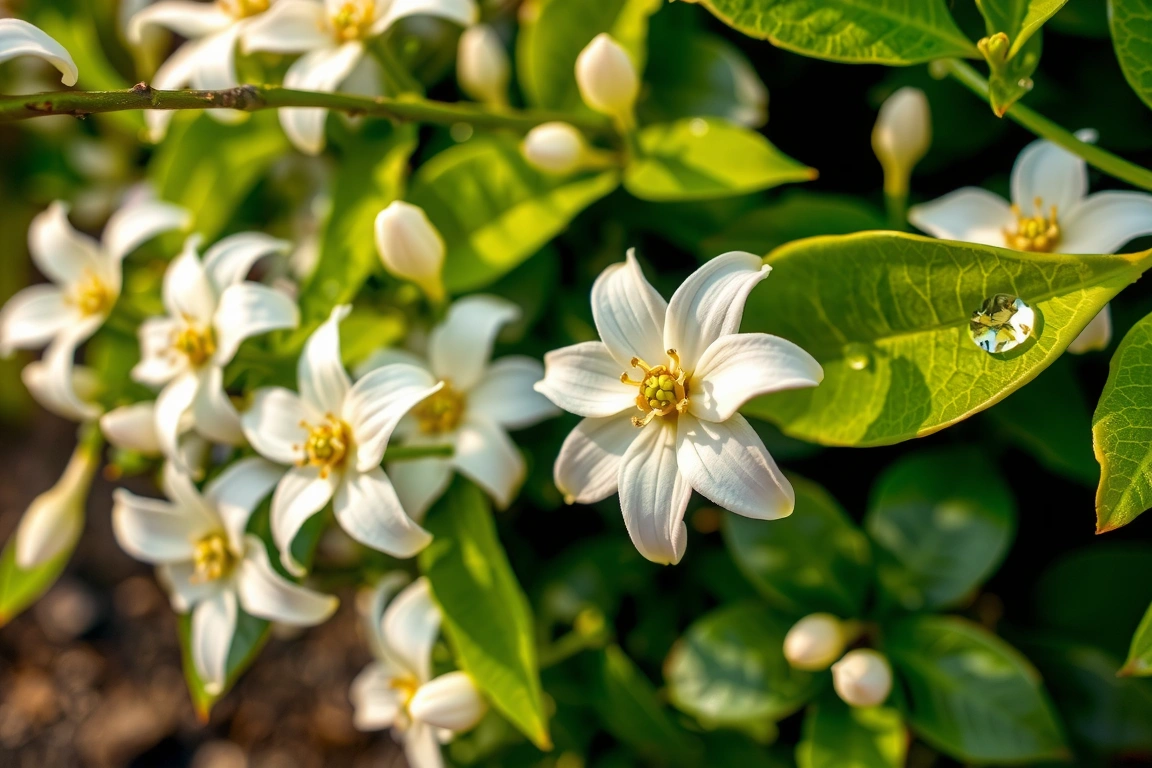
Jasminum polyanthum is my top recommendation for beginners. Native to southwestern China, this vining jasmine produces flowers with pink outer petals that fade to white, clusters of which are incredibly fragrant. It is hardy in USDA zones 8–10, which means it can tolerate slightly cooler indoor temperatures (down to 50°F/10°C) without dying, making it forgiving of drafts near windows in winter. However, it is the most susceptible to spider mites if humidity drops below 40%.
Jasminum sambac is the scent champion. If your goal is olfactory impact, this is the cultivar. It is native to the Indomalaya realm and thrives in USDA zones 9–11. Indoors, it behaves like a shrub rather than a vine, making it ideal for terrariums or bright corners. It demands high humidity (60–70%) and consistent warmth (above 65°F/18°C). If your home has central heating that dries the air, *Jasminum sambac* will likely decline unless you use a humidifier or a pebble tray.
Jasminum grandiflorum is the classic “white jasmine.” It is hardy in USDA zones 9–10. This cultivar is slower to bloom indoors but produces the most intense fragrance per flower. It requires the brightest light of the three, often needing south-facing exposure with supplemental grow lights in northern latitudes. I have found it suffers more from leggy growth in lower light conditions compared to *polyanthum*.
Comparing Indoor Jasmine Cultivars
| Cultivar | USDA Zones | Growth Habit | Fragrance Intensity | Maintenance Level |
|---|---|---|---|---|
| *Jasminum polyanthum* | 8–10 | Vining (4–6 ft) | High | Medium |
| *Jasminum sambac* | 9–11 | Shrub (2–3 ft) | Very High | High |
| *Jasminum grandiflorum* | 9–10 | Climbing (6–10 ft) | High | High |
When purchasing, look for plants with dense foliage and buds rather than full blooms. Plants bought in full bloom often get forced in nurseries and will drop their flowers once the environment changes. I always check the underside of leaves for webbing or sticky residue (honeydew) before buying. If you see either, walk away. Spider mites and aphids are hitchhikers that can devastate your other houseplants.
Spider mites and aphids are hitchhikers that can devastate your other houseplants.
Soil Preparation and Root Health
The biggest mistake I see amateur gardeners make is using standard “potting soil” from the bag. These mixes are often dense, retain too much water, and lack the necessary drainage for a plant as sensitive to root rot as jasmine. Jasmine roots need oxygen. If they sit in waterlogged soil, the roots suffocate and begin to decay, releasing pathogens that kill the plant from the bottom up.
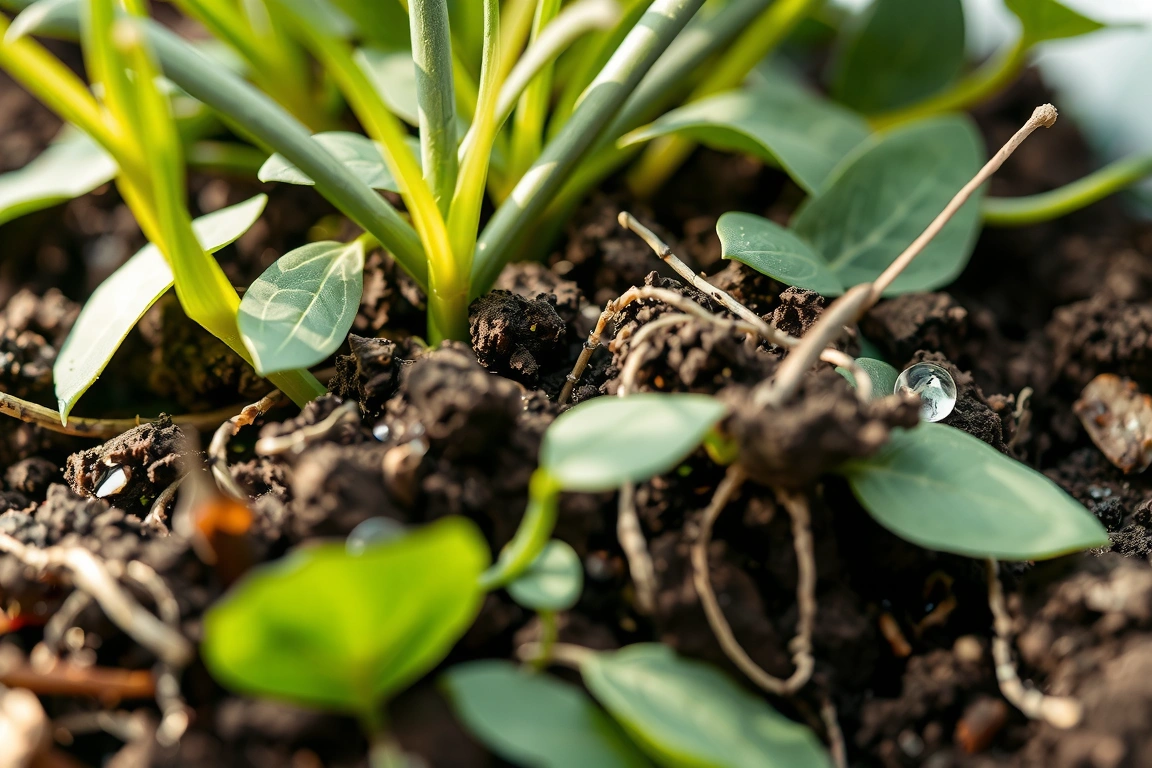
I mix my own jasmine soil to ensure the perfect balance of drainage and nutrient retention. For a 12-inch pot, my standard mix is:
- 40% High-quality peppermint-infused potting mix (peppermint deters ants)
- 30% Perlite or pumice (for aeration and drainage)
- 20% Coconut coir (for moisture retention without compaction)
- 10% Worm castings (for gentle, slow-release nutrients)
This mix creates a “watering can” effect: water passes through quickly, but the coconut coir holds just enough moisture for the roots to access. I never use garden soil indoors; it is too heavy and may contain pest eggs or fungal spores.
When repotting, only size up by 1–2 inches in diameter. A pot that is too large holds excess water that the roots cannot consume, leading to rot. I use terracotta pots because they are porous, allowing the soil to dry out more evenly than plastic. Ensure the pot has drainage holes; if it doesn’t, drill them. I place a layer of 1/2-inch gravel at the bottom of the pot to further enhance drainage, though the soil mix is the primary defense.
Testing Your Soil pH
Jasmine prefers slightly acidic soil, with a pH range of 6.0–6.5. If your tap water is alkaline (common in hard water areas), the soil pH will drift upward over time, locking out nutrients like iron and manganese. This manifests as chlorosis (yellowing leaves with green veins). Test your soil pH every three months using a simple digital pH meter or litmus strips. If the pH is above 6.5, add sulfur or coffee grounds to lower it. If your water is hard, I recommend using rainwater or distilled water for top-ups.
Light Requirements and Placement Strategy
Light is the fuel for jasmine photosynthesis. Without sufficient light, the plant will grow leggy, drop leaves, and refuse to flower. *Jasminum officinale* and *Jasminum grandiflorum* need at least six hours of direct sunlight per day. *Jasminum polyanthum* can tolerate four hours of direct sun but prefers two hours of morning sun and the rest in bright, indirect light. *Jasminum sambac* needs the most light, often requiring supplemental grow lights in northern climates or during winter months.
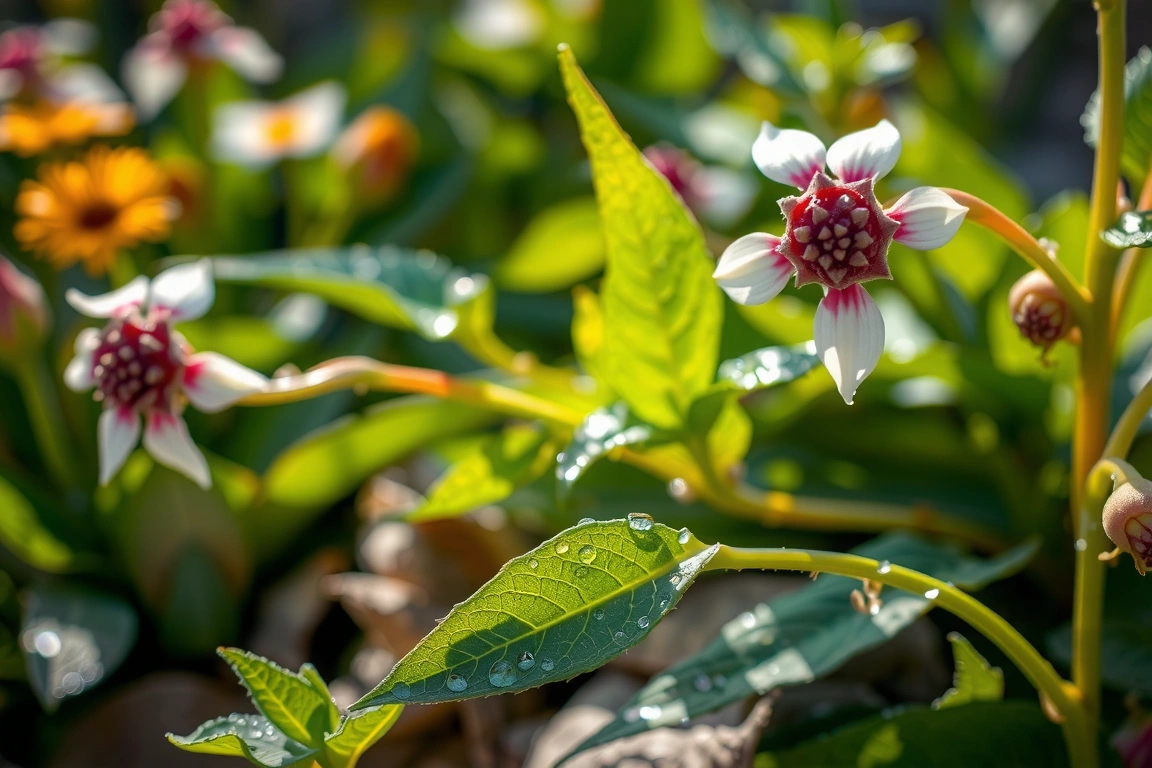
I position my *Jasminum sambac* on a south-facing windowsill, rotating the pot 90 degrees every week to ensure even growth. If your south window is in shade from a neighboring building, this isn’t a viable spot. In such cases, I use a full-spectrum LED grow light positioned 12 inches above the plant canopy, running for 14–16 hours a day. The light intensity should mimic full sun, approximately 1,000–2,000 foot-Candles. A cheap lux meter can help you verify this.
Signs of insufficient light include:
- Leggy growth (long spaces between leaves)
- Small, pale new leaves
- Lack of buds despite proper watering
Conversely too much intense midday sun can scorch the leaves, particularly on east-west facing windows in summer. If you see brown, crispy patches on leaves, move the plant back from the window or use a sheer curtain to diffuses the light. I learned this the hard way when I left my *Jasminum grandiflorum* in a west-facing window during July; 40% of its canopy burned within a week.
Prevention is key. Maintain high humidity (50%+) and inspect new plants thoroughly. If you see pests, act immediately.
Maintain high humidity (50%+) and inspect new plants thoroughly.
Watering Schedules and Humidity Engineering
Watering jasmine is a balancing act between underwatering and overwatering. The rule is simple: let the top 1–2 inches of soil dry out before watering again. In summer, this might mean watering every two days. In winter, it could be once a week. Always check the soil moisture with your finger before watering. If it feels damp, wait. If it feels dry and fluffy, water thoroughly until water runs out the drainage holes.
Humidity is the other critical factor. Jasmine native to humid climates struggles in the dry air of heated homes. I aim for 50–70% humidity. I use three strategies to achieve this:
- Pebble Trays: Place a layer of pebbles in a shallow tray, fill with water below the pebble level, and place the pot on top. As the water evaporates, it humidifies the air around the plant.
- Humidifiers: For high-demand cultivars like *Jasminum sambac*, a cool-mist humidifier running nearby is the most effective solution. I keep a hygrograph in the room to monitor levels.
- Clustering: Grouping plants together creates a microclimate of higher humidity as they transpire. I keep my jasmine with ferns and fittonias to boost ambient moisture.
Never mist your jasmine. Misting provides only temporary humidity and can encourage fungal diseases like powdery mildew, especially if the leaves don’t dry quickly. It also doesn’t significantly raise the ambient humidity level. Stick to pebble trays or humidifiers for consistent results.
Water Temperature Matters
Jasmine roots are sensitive to temperature shock. Never use cold water from the tap. Let the water sit out for 24 hours to reach room temperature and allow chlorine to evaporate. Chlorine can damage beneficial soil microbes and burn delicate root tips. I use a pitcher to pre-chill or warm water as needed, but room temperature is the sweet spot.
Fertilizing and Root Feeding
Jasmine is a heavy feeder during its growing season (spring and summer). It needs a balanced fertilizer with equal parts nitrogen (N), phosphorus (P), and potassium (K), such as a 10-10-10 or 20-20-20 formula. I fertilize every two weeks at half strength. Full strength can burn roots and cause fertilizer burn, manifesting as brown leaf tips.
In late summer, switch to a high-phosphorus fertilizer, like a 5-10-10, to encourage blooming. Phosphorus promotes flower development. Stop fertilizing in fall and winter when the plant enters dormancy. During dormancy, the plant is not actively growing and cannot process nutrients, which can lead to a toxic buildup in the soil.
For a more natural approach, I use diluted worm castings tea. One tablespoon of worm castings per gallon of water, applied every three weeks, provides gentle, organic nutrients. This method is less likely to cause salt buildup in the soil, which can degrade soil structure over time. I flush the soil with plain water every three months to leach out any accumulated salts.
Signs of Nutrient Imbalance
Watch for these deficiency symptoms:
- Nitrogen deficiency: Pale green or yellowing older leaves.
- Phosphorus deficiency: Pinched growth, delayed flowering, purple markings on stems.
- Potassium deficiency: Brown spots on leaves, weak stems.
- Iron deficiency: Yellowing between leaf veins on new growth (chlorosis).
Correct deficiencies by adjusting your fertilizer regimen or soil pH. For iron deficiency, chelated iron sulfate is more effective than plain iron supplements.
For iron deficiency, chelated iron sulfate is more effective than plain iron supplements.
Pruning and Training for Blooms
Pruning is controversial for beginners, but it is essential for bloom production. Jasmine sets flowers on new wood. If you don’t prune, the plant becomes leggy and produces fewer flowers. I prune my jasmine twice a year: once in spring after the last frost date (even for indoor plants, to reset growth) and again after the first flowering cycle.
Use sharp, sterilized pruning shears. Cut back long vines by one-third to one-half. I cut just above a node (where leaves emerge) to encourage branching. This creates a fuller plant and more potential flower sites. Never cut more than one-third of the plant at once, as this can shock it.
For vining cultivars like *Jasminum polyanthum*, train the vines on a trellis or obelisk. Pinch the growing tips to encourage side shoots. This not only aesthetics but also increases airflow, reducing the risk of fungal issues. I use twist-on plant ties to secure stems, replacing them as the vine grows.
Deadheading for Continuous Blooms
To encourage more flowers, deadhead spent blooms immediately after they fade. This prevents the plant from expending energy on seed production and redirects it into new flowering wood. Cut the flower stem back to the next leaf. Regular deadidding can extend the blooming season by several weeks.
Pest and Disease Management
Jasmine is attractive to pests, particularly spider mites, aphids, and whiteflies. Spider mites are the most dangerous indoors. They thrive in low humidity and hot conditions, exactly what jasmine likes. Signs include fine webbing on undersides of leaves and stippled (yellow dotted) leaves.
Prevention is key. Maintain high humidity (50%+) and inspect new plants thoroughly. If you see pests, act immediately.
- Spider Mites: Treat with insecticidal soap or neem oil. I spray every three days for two weeks, covering undersides of leaves. Release ladybugs if the infestation is severe and the plant is outdoors in grow season.
- Aphids: Spray with a strong jet of water to dislodge, then apply neem oil. Aphids reproduce quickly, so early detection is vital.
- Whiteflies: Use yellow sticky traps to monitor and reduce population. Spray with insecticidal soap.
Fungal diseases like powdery mildew can occur if air circulation is poor or if you mist leaves. Improve airflow with a small fan and avoid wetting foliage. Remove infected leaves immediately to prevent spread. In severe cases, apply a fungicide labeled for indoor use, but only as a last resort.
Root Rot Prevention
Root rot is a silent killer. If your jasmine is wilting despite wet soil, check the roots. Healthy roots are white or light tan and firm. Rotten roots are brown, mushy, and smell foul. Cut away all rotten roots with sterile shears, repot in fresh, dry mix, and hold off on watering for a week. Reduce watering frequency moving forward.
Reduce watering frequency moving forward.
Seasonal Care Calendar
Success with jasmine requires adapting care to the seasons. Here is my month-by-month action plan for indoor jasmine.
Spring (March–May)
This is the growing season startup. Increase light exposure as days lengthen. Begin fertilizing every two weeks. Prune back winter deadwood. Check for pests early. Repot if the plant is root-bound. Water more frequently as growth accelerates.
Summer (June–August)
Bloom time. Maintain high humidity and consistent watering. Deadhead spent blooms. Monitor for spider mites, which thrive in heat. Provide shade from intense midday sun. Fertilize every two weeks. Rotate pots weekly for even growth.
Fall (September–November)
Wind down. Reduce fertilizing as growth slows. Stop fertilizing by November. Reduce watering frequency as light levels drop. Protect from cold drafts near windows. Clean leaves to remove dust and improve photosynthesis.
Winter (December–February)
Dormancy phase. Water sparingly, only when the top 2 inches of soil are dry. No fertilizer. Keep away from heaters and AC vents. Provide supplemental light if natural light is weak. Expect some leaf drop; this is normal. Inspect for pests, which can shelter indoors.
Winter Survival Tips
If jasmine loses leaves in winter, don’t panic. Focus on root health. Keep the soil just moist, not wet. Use a humidifier to maintain at least 40% humidity. This is the hardest season for jasmine, but consistent care ensures a strong rebound in spring.
Common Mistakes and Troubleshooting
Even experienced gardeners make mistakes with jasmine. Here are the most common pitfalls and how to avoid them.
Overwatering: The number one killer. Jasmine hates “wet feet.” Always let the topsoil dry out. If the pot feels heavy, wait. Use a moisture meter for precision.
Low Humidity: Dry air causes leaf drop and spider mites. Use a humidifier or pebble tray. Don’t rely on misting.
Insufficient Light: Leggy growth and no blooms. Move to a brighter spot or add grow lights. South-facing is best.
Temperature Shock: Jasmine dislikes drafts. Keep away from open windows in winter and heaters in summer. Maintain a consistent 65–75°F (18–24°C).
Pruning Too Late: Pruning after bud set ruins blooms. Prune in spring or after flowering. Never prune in late fall.
By avoiding these mistakes, you’ll keep your jasmine thriving. Regular observation is key. Look for changes in leaf color, texture, and growth rate. Adjust care as needed.
When to Give Up
If the plant is completely leafless, with black, mushy roots, and still hasn’t recovered after three months of corrected care, it may be beyond saving. Sometimes, it’s better to start fresh with a healthy specimen. Don’t pour resources into a dying plant if it’s not responding.
Conclusion
Growing fragrant jasmine indoors is achievable if you respect its needs for light, humidity, and precise watering. Focus on selecting the right cultivar for your space, mixing well-draining soil, and maintaining consistent humidity. Prune regularly to encourage blooms, and monitor for pests, especially spider mites. By following this seasonal care guide, you’ll transform your home into a fragrant sanctuary. Start with *Jasminum polyanthum* for best results, and adjust care based on your home’s microclimate. Remember, consistency is key. A few weeks of neglect can undo months of hard work. Stay vigilant, and enjoy the scent of your indoor jasmine garden.
Small changes, real momentum
Get practical guides and templates you’ll actually use — a few thoughtful emails a month.
Frequently Asked Questions
Why isn’t my jasmine blooming?
Jasmine requires specific conditions to bloom: sufficient light, proper pruning, and adequate nutrients. First, ensure your plant gets at least 6–8 hours of bright light daily. If it’s in a low-light area, move it closer to a south-facing window or add a grow light. Second, check if you’re pruning correctly. Jasmine blooms on new wood, so prune in spring or after flowering to stimulate new growth. Third, verify you’re fertilizing appropriately. Use a balanced fertilizer during spring and summer, switching to high-phosphorus before bloom season. If blooms still don’t appear, check for pests or root rot, which can stress the plant and inhibit flowering.
How do I get rid of spider mites on jasmine?
Spider mites are common on jasmine, especially in dry conditions. Start by isolating the plant to prevent spread. Spray the leaves thoroughly with insecticidal soap or neem oil, focusing on undersides. Repeat every three days for two weeks to break their reproductive cycle. Increase humidity to 50%+ to make the environment less hospitable. For severe infestations, prune heavily and take cold showers with the plant to dislodge mites. If persistence is an issue, introduce ladybugs or predatory mites if the plant is outdoors during growing season. Prevention is key: maintain high humidity and inspect new plants before introducing them to your home.
Can I grow jasmine outside year-round?
It depends on your USDA zone and the cultivar. *Jasminum officinale* and *Jasminum grandiflorum* are hardy in zones 7–10, while *Jasminum sambac* prefers zones 9–11. In colder zones, you must bring jasmine indoors before the first frost. Harden off the plant gradually by exposing it to outdoor conditions for increasing periods over two weeks. Provide winter protection in marginal zones, such as mulching roots or using frost cloth. In zones 7 and below, evergreen jasmine (*Trachelospermum jasminoides*) is a more cold-hardy alternative, surviving down to zone 6. Always check local frost dates and adjust accordingly.
Grow Something Good
Seasonal how-tos and sustainable gardening you can actually use.