
Most home gardeners I meet are chasing the same dream: abundant harvests without back-breaking labor. After testing over 40 cultivars across my Zone 7b food forest, I’ve found that 80% of your garden’s productivity comes from just 20% of well-chosen plants. The secret isn’t working harder—it’s planting smarter with species that practically grow themselves once established. These five permaculture powerhouses will give you fresh food from spring through fall with minimal intervention, leaving you more time to enjoy your garden rather than constantly maintaining it.
6 min read
In This Article
- 1. Egyptian Walking Onions: The Self-Propagating Allium
- 2. ‘Cherokee Purple’ Tomatoes: The Heavy Yielder
- 3. ‘Perpetual Spinach’ Chard: The Cut-and-Come-Again Green
- 4. ‘Honeyberry’ Lonicera caerulea: The Early Fruit Producer
- 5. ‘French Fingerling’ Potatoes: The Gourmet Storage Crop
- Implementing Your Low-Maintenance Garden
- Frequently Asked Questions
Key Takeaways
- 1. Egyptian Walking Onions: The Self-Propagating Allium
- 2. ‘Cherokee Purple’ Tomatoes: The Heavy Yielder
- 3. ‘Perpetual Spinach’ Chard: The Cut-and-Come-Again Green
- 4. ‘Honeyberry’ Lonicera caerulea: The Early Fruit Producer
1. Egyptian Walking Onions: The Self-Propagating Allium
If you plant only one perennial vegetable, make it Egyptian walking onions (Allium × proliferum). These remarkable plants form clusters of small shallot-like bulbs at their tops that eventually bend to the ground and self-plant—hence the “walking” name. In my experience, a single plant purchased in 2020 has now colonized a 4×8 foot bed without any help from me. They’re completely winter-hardy down to Zone 3 and thrive in Zones 5-9 with virtually no care beyond occasional watering during droughts.
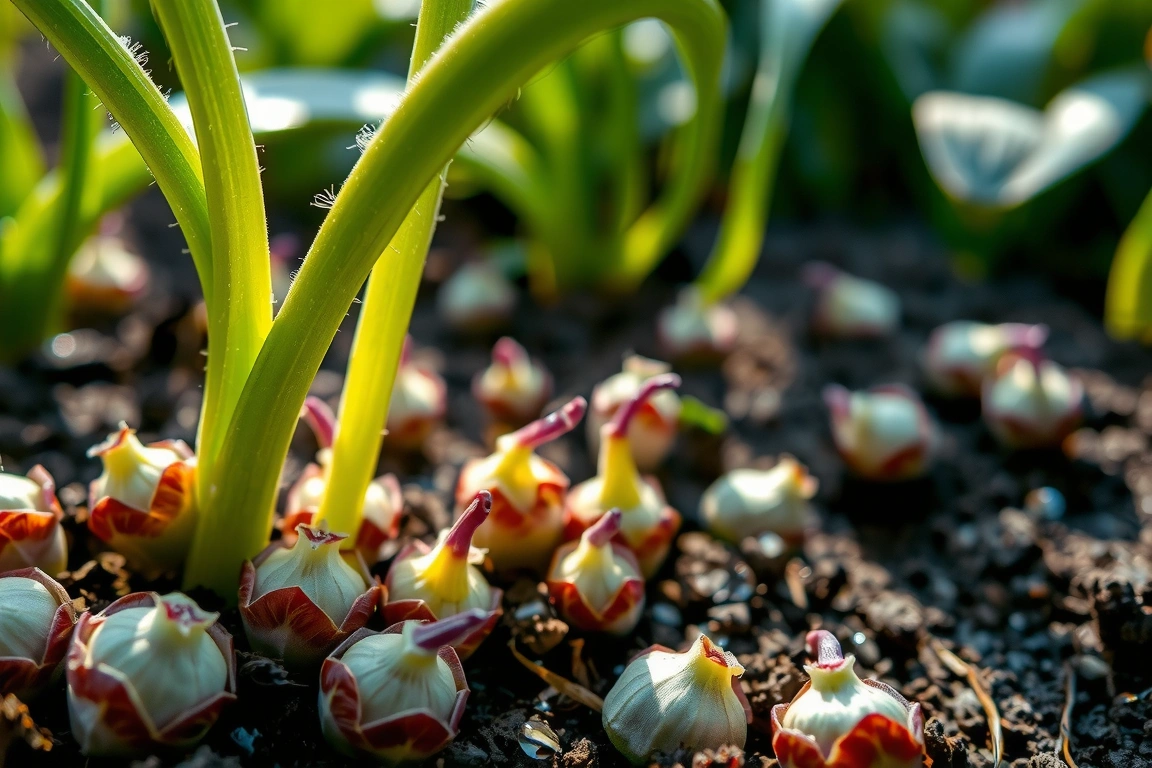
Plant bulbils 2 inches deep and 6 inches apart in early spring or fall. They’ll tolerate partial shade but produce best with 6+ hours of sun. The real magic happens in year two when each plant sends up multiple stalks topped with bulb clusters. You’ll harvest both the underground bulbs (milder than standard onions) and the green tops (perfect as scallion substitutes). Expect 8-12 new plants from each mother plant annually, creating a perpetual onion supply that requires zero replanting.
Common Challenges and Solutions
The only issue I’ve encountered is onion thrips during particularly dry summers. A strong spray of water every few days knocks them off without pesticides. Rotate planting locations every 5-7 years if you notice decreased vigor, though mine have been in the same spot for four years with no problems.
Rotate planting locations every 5-7 years if you notice decreased vigor, though mine have been in the same spot for four years with no problems.
2. ‘Cherokee Purple’ Tomatoes: The Heavy Yielder
‘Cherokee Purple’ tomatoes have earned permanent space in my garden because they consistently outperform other heirlooms in both flavor and productivity. These indeterminate plants will grow 6-8 feet tall in a season and produce fruit from early July until first frost in Zone 7. Unlike many heirlooms, they show good resistance to common fungal diseases when properly spaced and supported.
Start seeds indoors 6-8 weeks before your last frost date (around March 15 for most Zone 7 gardens). Transplant seedlings 24-36 inches apart with 4 feet between rows after all danger of frost has passed. I use Florida weave trellising with 6-foot stakes every 4 plants—this system supports the heavy vines better than cages. Each plant will yield 15-25 pounds of 8-12 ounce fruits with that legendary rich, sweet flavor that makes supermarket tomatoes taste like cardboard.
Seasonal Care Calendar
March: Start seeds indoors under grow lights. April: Harden off seedlings for 7-10 days. May: Transplant and install support system. June: Mulch heavily with straw to conserve moisture. July-September: Harvest every 2-3 days. October: Pull green fruits before frost and ripen indoors.
3. ‘Perpetual Spinach’ Chard: The Cut-and-Come-Again Green
Many gardeners struggle with bolting spinach, but Beta vulgaris subsp. vulgaris ‘Perpetual Spinach’ (actually a chard) provides continuous harvests without bolting issues. This plant has been the backbone of my salad garden for five years, producing fresh greens from April through November in Zone 7b. It’s cold-tolerant down to 15°F and heat-resistant up to 95°F, making it adaptable to most growing seasons.
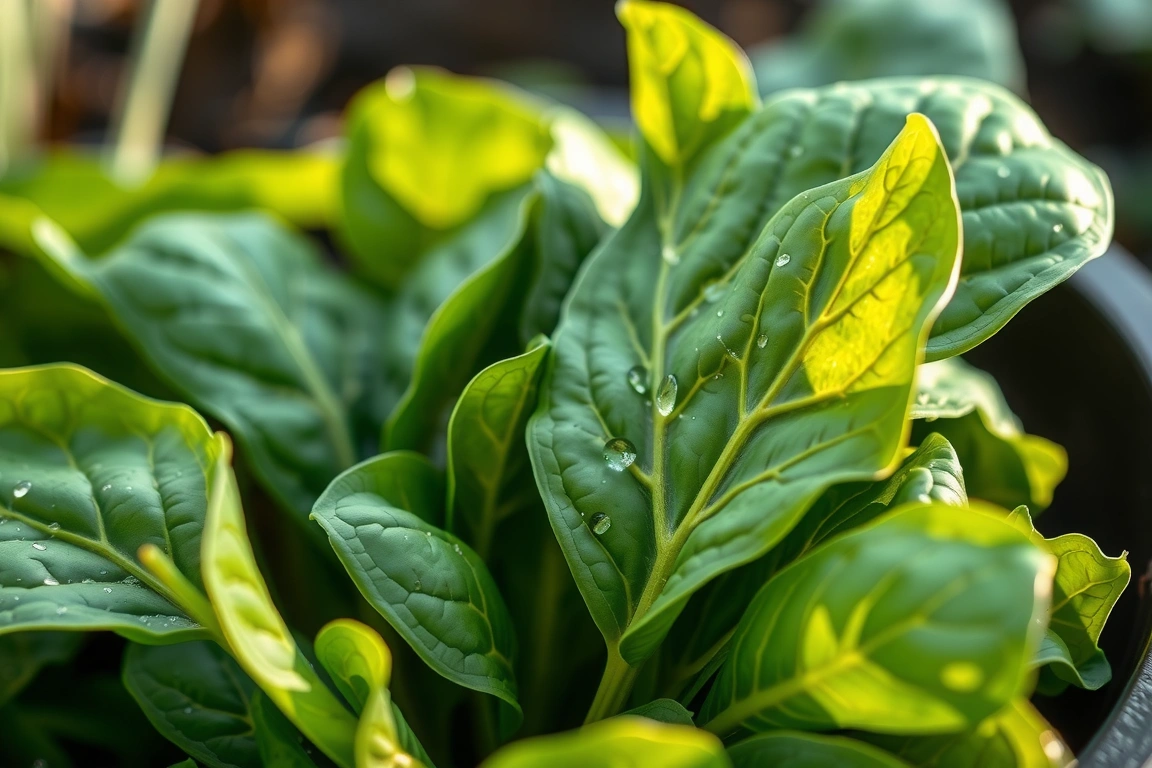
Sow seeds directly ½ inch deep and 6 inches apart about 2-3 weeks before your last frost date. Thin to 12-inch spacing once plants reach 4 inches tall. The key to perpetual harvest is taking only the outer leaves, leaving the center growing point intact. Each plant will yield 1-2 pounds of leaves over the season if harvested properly. I typically plant 20 feet of row and harvest 2-3 pounds of greens weekly from May through October.
Companion Planting Partners
I interplant chard with onions (deters pests), bush beans (provides light shade), and nasturtiums (traps aphids). Avoid planting near corn, which attracts similar pests. The deep taproot makes chard drought-tolerant once established, though consistent moisture produces tender leaves.
The deep taproot makes chard drought-tolerant once established, though consistent moisture produces tender leaves.
4. ‘Honeyberry’ Lonicera caerulea: The Early Fruit Producer
If you’re tired of waiting until June for berries, honeyberries (Lonicera caerulea) will revolutionize your fruit harvest. These extremely cold-hardy shrubs (to Zone 2) produce sweet, blueberry-like fruits 2-3 weeks before strawberries ripen. I planted ‘Borealis’ and ‘Tundra’ cultivars in 2019, and they now yield 8-12 pounds of fruit per plant each May.
Plant two different varieties 4-5 feet apart for cross-pollination. They prefer slightly acidic soil (pH 5.5-6.5) and will tolerate partial shade though full sun produces heavier crops. Unlike high-maintenance blueberries, honeyberries need no special soil amendments beyond occasional compost. The bushes grow 4-6 feet tall and wide, making them perfect for edible landscaping. Birds generally leave the fruits alone until they’re fully ripe, giving you a harvesting window that blueberries rarely offer.
Yearly Maintenance Schedule
Year 1: Water weekly if dry. Year 2: Light pruning to shape. Year 3+: Remove about ⅓ of oldest stems each spring after harvest. Apply 2 inches of compost mulch annually. That’s literally all the care they need—my plants have never been fertilized beyond the initial compost and still produce abundantly.
5. ‘French Fingerling’ Potatoes: The Gourmet Storage Crop
While most potatoes require hilling and constant pest monitoring, ‘French Fingerling’ potatoes offer exceptional flavor with minimal maintenance. These heirloom varieties have natural resistance to many common potato diseases and produce beautiful rose-colored tubers with yellow flesh that stores for 6-8 months. I’ve grown them for seven seasons with consistently better results than standard varieties.
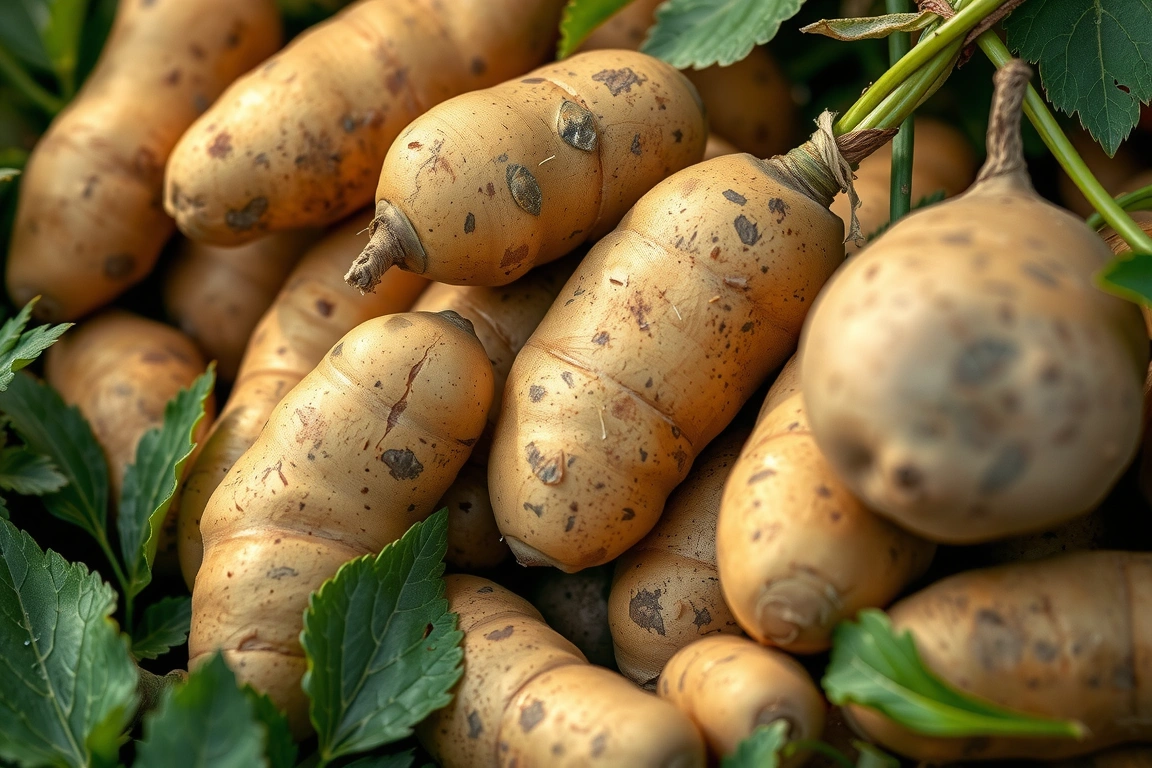
Plant whole seed potatoes 4 inches deep and 12 inches apart about 2-4 weeks before your last frost date. Unlike many potatoes, they don’t require hilling—just mulch heavily with straw to keep weeds down and soil moist. Each plant yields 3-5 pounds of tubers with that nutty, buttery flavor that makes them worth growing. They’re particularly resistant to Colorado potato beetles in my experience, though I still check leaves weekly during June.
Harvest and Storage Techniques
Harvest when vines die back in late summer. Cure potatoes in a dark, well-ventilated area at 60-65°F for 2 weeks, then store in cardboard boxes at 45-50°F. Mine typically last until April without sprouting or softening. The key is avoiding any light exposure during storage to prevent solanine development.
Implementing Your Low-Maintenance Garden
Transforming to a low-maintenance system requires shifting from annual replanting to perennial thinking. Start by mapping your garden space and identifying areas where these workhorse plants can establish permanently. I dedicate about 60% of my vegetable space to these five crops, then use the remaining area for seasonal experiments and quick-growing annuals.
The first year requires the most effort—proper soil preparation and establishment watering. I dig in 3-4 inches of compost before planting any perennial and install drip irrigation on a timer. By year two, the system practically runs itself. My weekly garden time dropped from 10 hours to about 3 hours once these plants were established, while my harvest weight actually increased due to the perennial productivity.
Month-by-Year Establishment Guide
Year 1: Plant everything and focus on establishment. Year 2: Expand plantings and begin minimal harvests. Year 3: Full production begins with minimal input. Year 4+: Maintenance phase with occasional division/replacement.
Start with just one or two of these plants this season rather than overwhelming yourself. The Egyptian walking onions and ‘Perpetual Spinach’ chard will give you the quickest returns, while the honeyberries and tomatoes will reward your patience with years of abundant harvests. Remember that the goal isn’t a perfectly weed-free garden—it’s a productive ecosystem that works with nature rather than against it.
Small changes, real momentum
Get practical guides and templates you’ll actually use — a few thoughtful emails a month.
Frequently Asked Questions
Can I grow these plants in containers?
Yes, with some adjustments. Use 5-gallon containers for tomatoes and potatoes, 3-gallon for honeyberries, and 2-gallon for chard and walking onions. The yields will be about 60% of in-ground production. I grow several honeyberries in half whiskey barrels on my patio—they’ve produced 5-7 pounds per container annually for three years.
What if I have heavy clay soil?
All these plants tolerate clay better than most crops, but amend planting holes with 50% compost when establishing. My native soil is heavy red clay, and I’ve had success by creating raised planting mounds mixed with compost and sand. The walking onions and potatoes actually perform better in clay than in sandy soil.
How do I protect these from pests without chemicals?
I use three strategies: companion planting (onions with everything), physical barriers (floating row covers for early season), and encouraging predators (bird houses, beneficial insect habitats). The only pest that occasionally troubles my tomatoes is hornworms—I hand-pick them early mornings when they’re easiest to spot.
🌱 Editor’s Pick
Editor’s Pick: A guidebook on low maintenance perennial gardening.
Grow Something Good
Seasonal how-tos and sustainable gardening you can actually use.