
When I first started gardening in my tiny urban backyard, I was determined to create a lush, low-maintenance perennial garden despite the limited space. I was surprised to learn that perennials can thrive even in the smallest of spaces, providing a bountiful harvest with minimal upkeep. In fact, a well-designed perennial garden can yield up to 3 times more produce than an annual garden of the same size, according to a study by the USDA. In this article, I’ll share my step-by-step guide on how to start a low-maintenance perennial garden in small spaces, including cultivar selection, soil preparation, and seasonal maintenance.
4 min read
In This Article
Key Takeaways
- Cultivar Selection for Small Spaces
- Soil Preparation for Perennials
- Planting Schedule and Spacing
- Companion Planting for Perennials
Cultivar Selection for Small Spaces
Choosing the right perennials is crucial for a thriving garden in small spaces. Look for compact or dwarf varieties that are naturally smaller or more upright, such as the ‘Compacta’ rhubarb or ‘Moonbeam’ coreopsis. These cultivars will take up less space and require less maintenance. For USDA zones 4-7, consider plants like ‘Blue Lace’ elderberry or ‘Gro-Low’ sumac, which are both compact and produce abundant fruit.
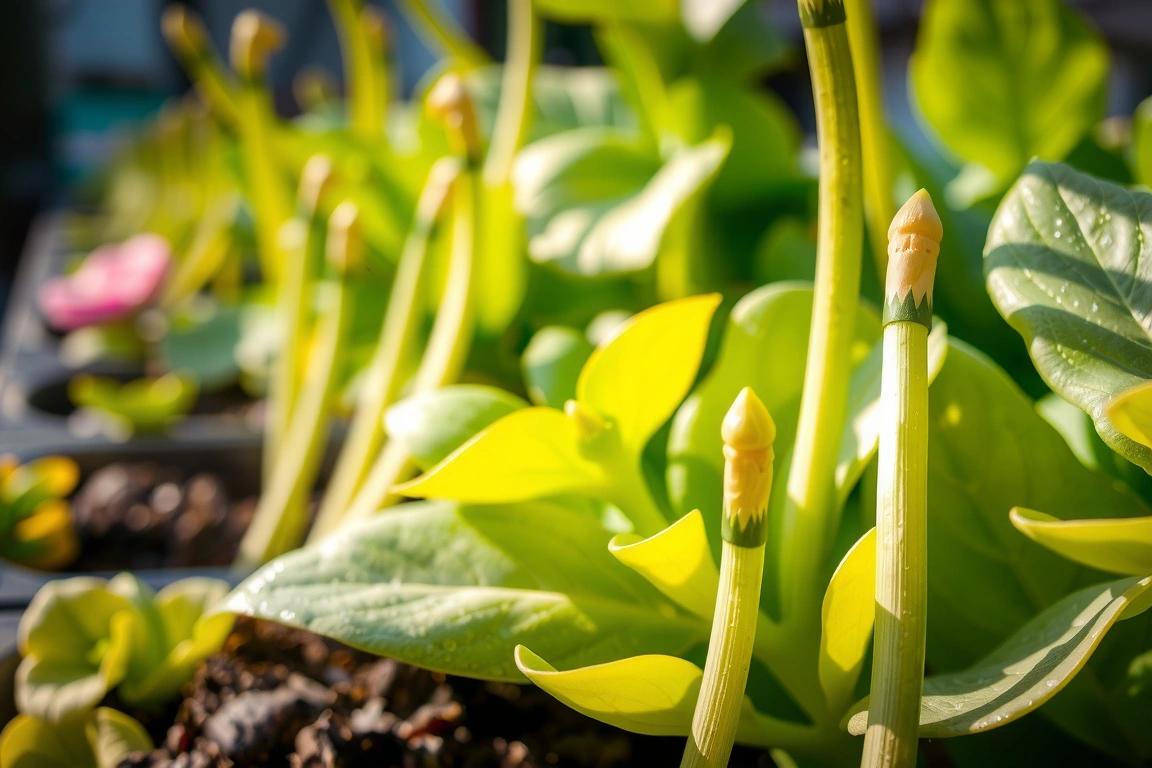
When selecting perennials, consider their mature size, growth habits, and sunlight requirements. For example, ‘Sanguisorba’ burnet requires full sun and can grow up to 4 feet tall, while ‘Heuchera’ coral bells prefer partial shade and remain relatively small. Make sure to choose plants that fit your available space and climate conditions.
- ‘Compacta’ rhubarb (3-4 feet tall, 2-3 feet wide)
- ‘Moonbeam’ coreopsis (1-2 feet tall, 1-2 feet wide)
- ‘Blue Lace’ elderberry (6-8 feet tall, 4-6 feet wide)
- ‘Gro-Low’ sumac (2-3 feet tall, 3-4 feet wide)
Make sure to choose plants that fit your available space and climate conditions.
Soil Preparation for Perennials
Perennials require well-draining, nutrient-rich soil to thrive. To prepare your soil, start by testing its pH level and nutrient content. Based on the results, add organic amendments like compost or manure to adjust the pH and improve soil fertility. For example, adding 2-3 inches of compost can increase the soil’s water-holding capacity by up to 20%, reducing the need for frequent watering.
In small spaces, it’s essential to optimize soil usage. Consider using a layered approach, where you create a mix of topsoil, compost, and perlite or vermiculite to improve drainage and aeration. This will help prevent waterlogged soil and root rot, common issues in small gardens.
Planting Schedule and Spacing
In most USDA zones, the best time to plant perennials is in early spring or fall, when the weather is cooler. For zones 4-7, plant in early spring, around 4-6 weeks before the last frost date. Space your perennials according to their mature size, leaving enough room for air circulation and growth. For example, plant ‘Compacta’ rhubarb 3-4 feet apart, and ‘Moonbeam’ coreopsis 12-18 inches apart.
When planting, dig a hole twice as wide and as deep as the plant’s root ball. Add a layer of compost or well-rotted manure, then gently place the plant in the hole. Water thoroughly and mulch around the base to retain moisture and suppress weeds.
Water thoroughly and mulch around the base to retain moisture and suppress weeds.
Companion Planting for Perennials
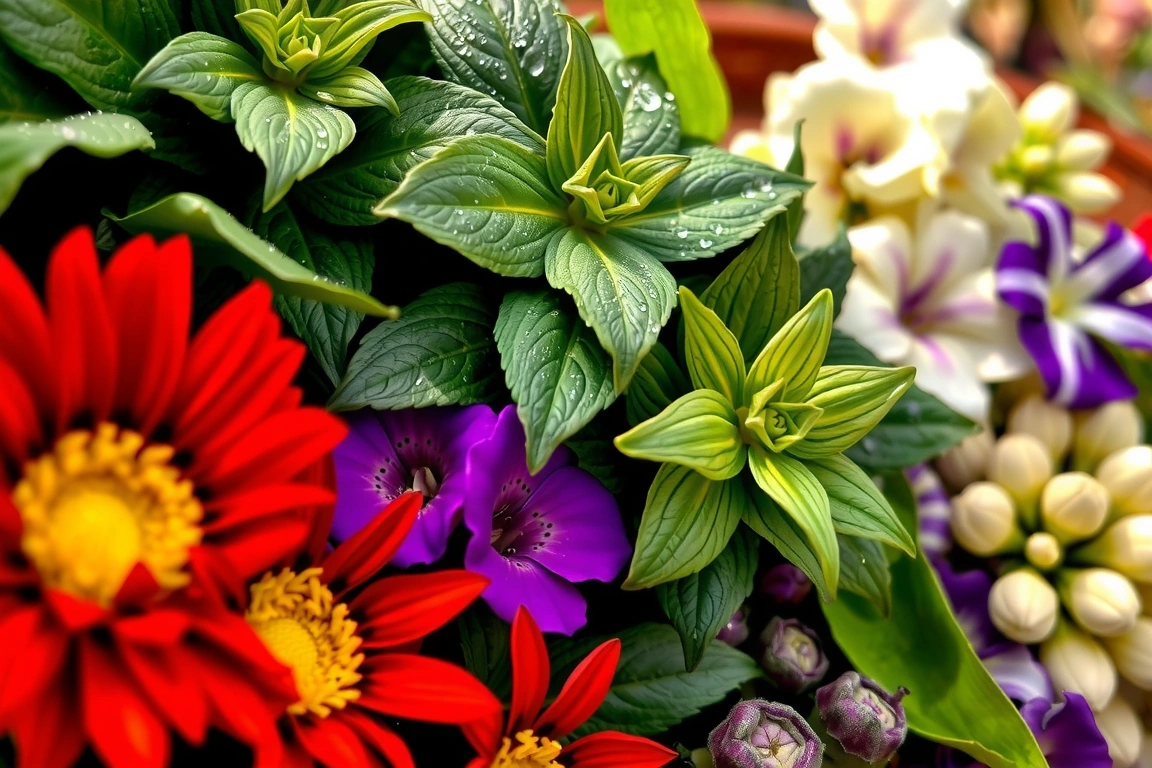
Companion planting is a great way to maximize space and promote healthy growth in your perennial garden. For example, planting ‘Marjoram’ with ‘Rhubarb’ can help deter pests and improve soil health. Similarly, ‘Chives’ repel aphids and other pests that target ‘Roses’. Consider creating a companion planting matrix to plan your garden layout and optimize plant pairings.
- ‘Marjoram’ with ‘Rhubarb’
- ‘Chives’ with ‘Roses’
- ‘Nasturtium’ with ‘Cabbage’ or ‘Kale’
Seasonal Maintenance and Pest Management
Perennials require regular maintenance to thrive. In spring, remove any dead or damaged foliage, and apply a layer of compost or mulch. In summer, keep the soil consistently moist, but not waterlogged. In fall, cut back perennials to prepare for winter, and apply a layer of mulch to protect the soil.
Keep an eye out for pests and diseases, and take action promptly if you notice any issues. For example, use neem oil or insecticidal soap to control aphids and other pests. Consider using physical barriers or repellents to deter pests, and maintain good garden hygiene to prevent disease spread.
Harvest Timeline and Yield Expectations
Perennials typically take a few years to mature, but with proper care, they can provide a bountiful harvest for years to come. For example, ‘Rhubarb’ can produce up to 2 pounds of stalks per plant, while ‘Elderberry’ can yield up to 10 pounds of fruit per season. Keep track of your harvests and adjust your maintenance routine accordingly.
To maximize yields, consider implementing a seasonal harvesting schedule. For example, harvest ‘Rhubarb’ in spring, ‘Elderberry’ in summer, and ‘Sunchokes’ in fall. This will help you make the most of your perennial garden and enjoy a diverse harvest throughout the growing season.
Small changes, real momentum
Get practical guides and templates you’ll actually use — a few thoughtful emails a month.
Frequently Asked Questions
How can I create a microclimate to reduce heat stress for my rooftop garden?
To create a microclimate, use a combination of shading, insulation, and wind protection. For example, install a trellis or shade cloth to filter intense sunlight, and use mulch or straw to retain moisture and regulate soil temperature. You can also use windbreaks or screens to protect your plants from harsh winds.
What are some low-maintenance perennials for small spaces?
Some great options include ‘Compacta’ rhubarb, ‘Moonbeam’ coreopsis, and ‘Gro-Low’ sumac. These plants are naturally compact, require minimal care, and produce abundant fruit or flowers.
How often should I water my perennials?
Water your perennials regularly, but avoid overwatering. Check the soil moisture by inserting your finger into the soil up to the knuckle. If the soil feels dry, it’s time to water. Water deeply, but infrequently, to encourage deep root growth and drought tolerance.
Grow Something Good
Seasonal how-tos and sustainable gardening you can actually use.